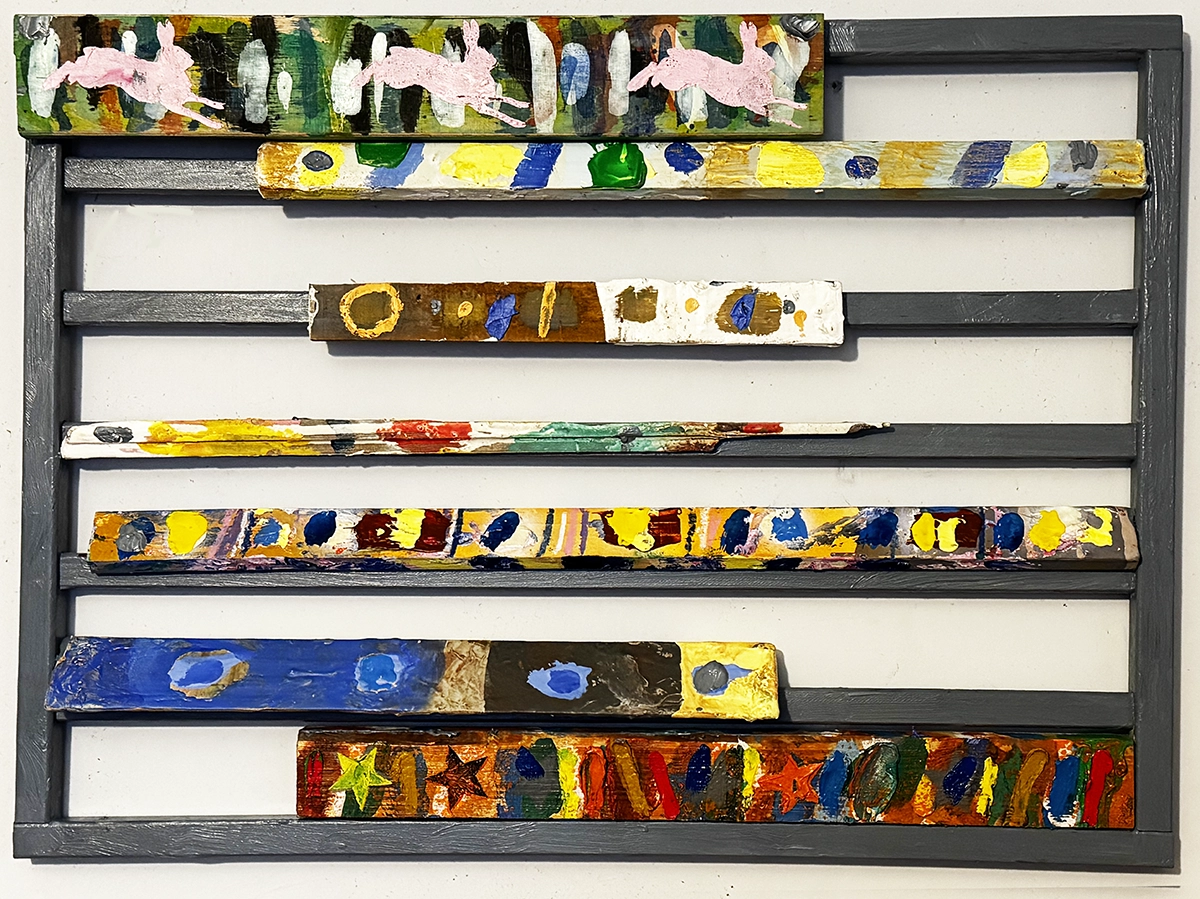
Mark Painter — Painter — Wheatfield with Crows
Mark Painter
Current work
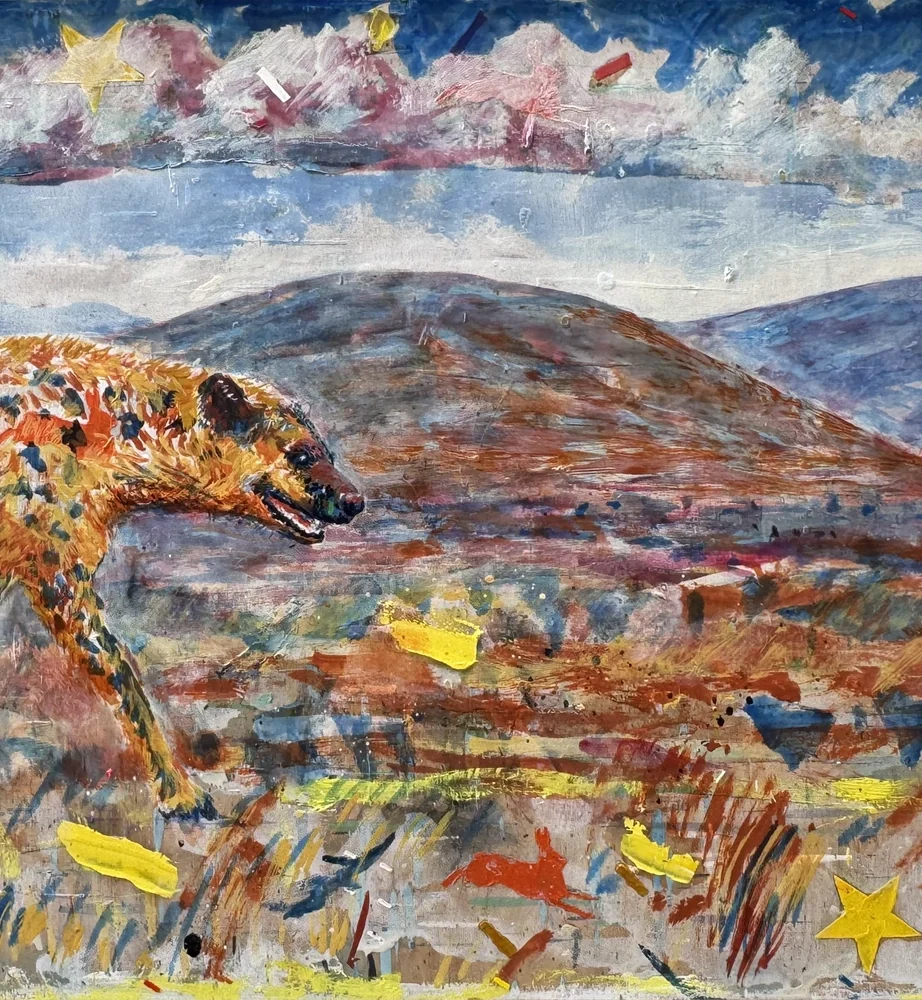
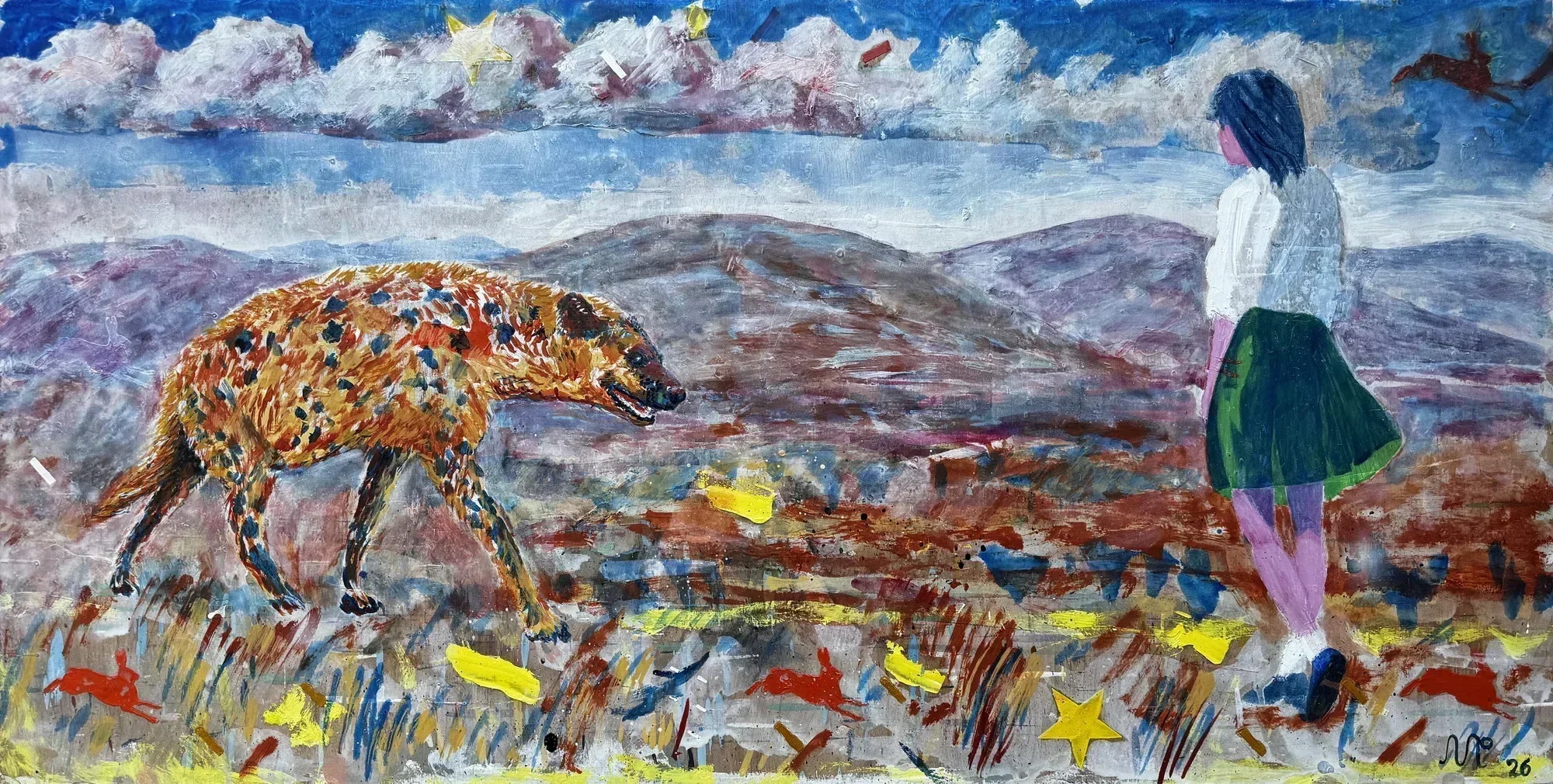
Wheatfield with Crows
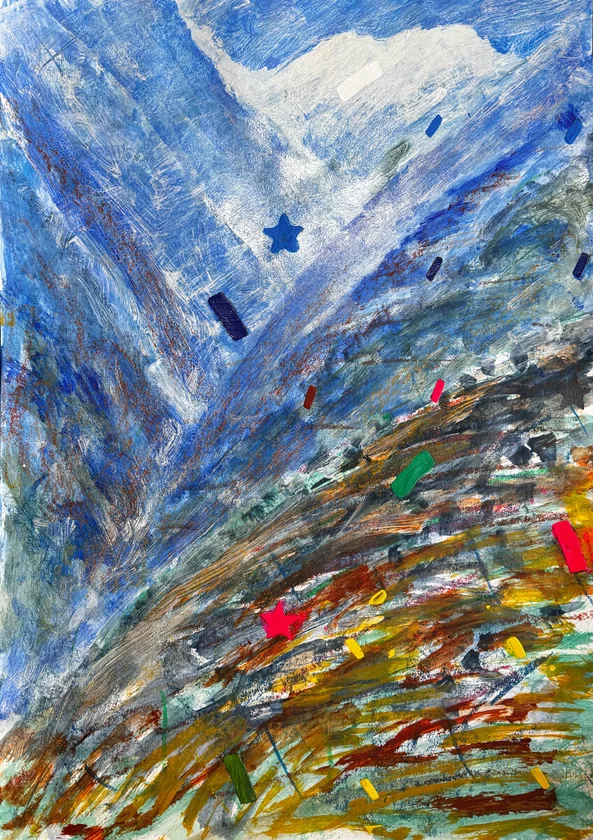
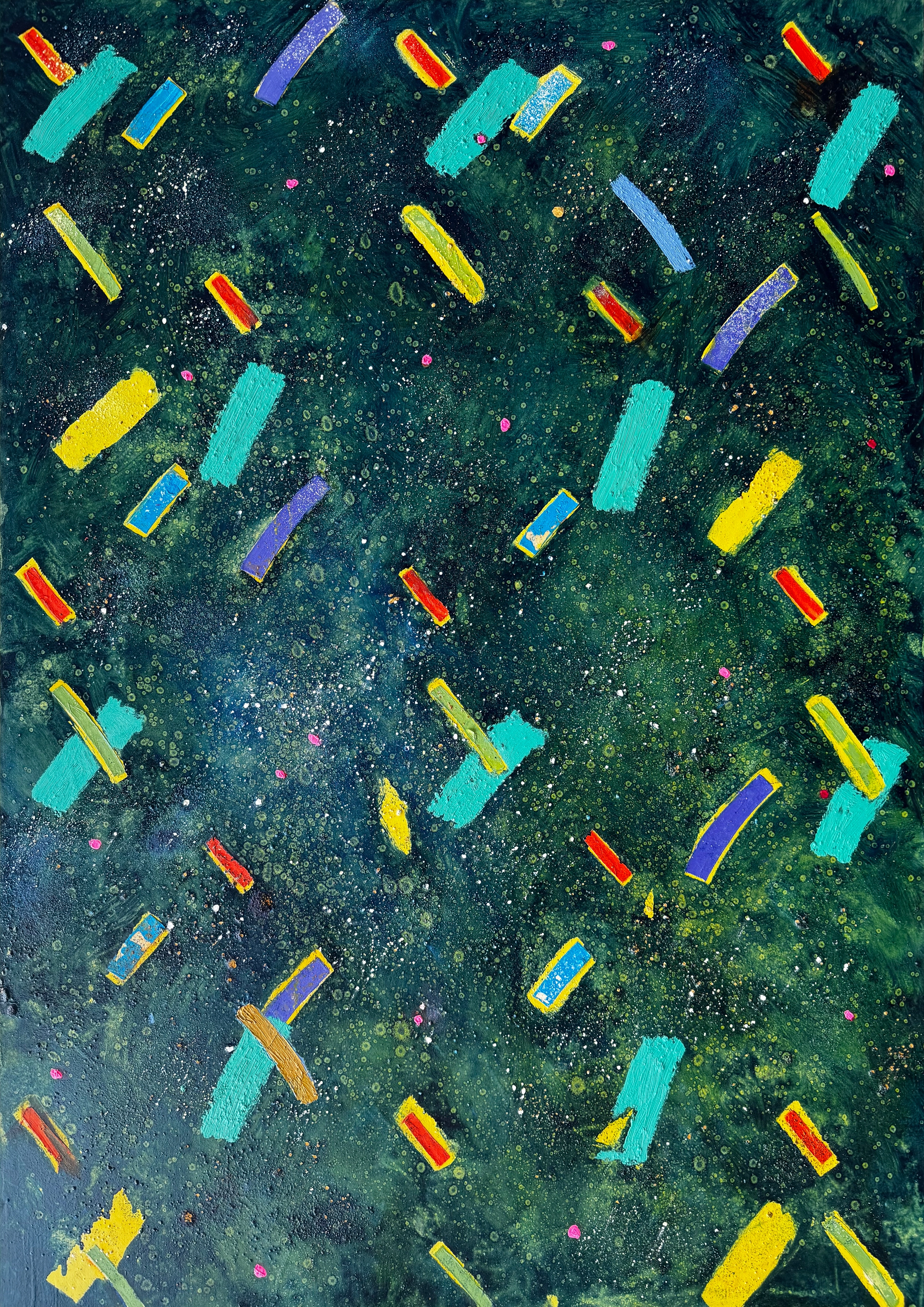
A developing series concerned with painting, mortality and the way an artist may be remembered through the work they leave behind.
Mark Painter has been making paintings since childhood and studied Fine Art at St Martins School of Art and the Royal College of Art. His work has been exhibited in Britain since the 1970s. The site includes a substantial history of previous work, from The Spaces in Between and India, Again to earlier paintings and constructions.
Current work
Wheatfield with Crows
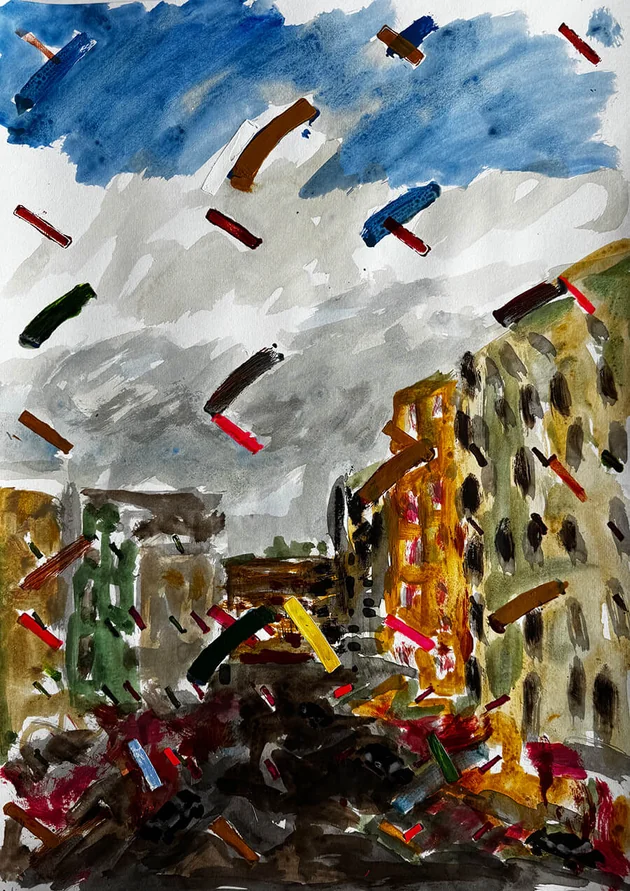
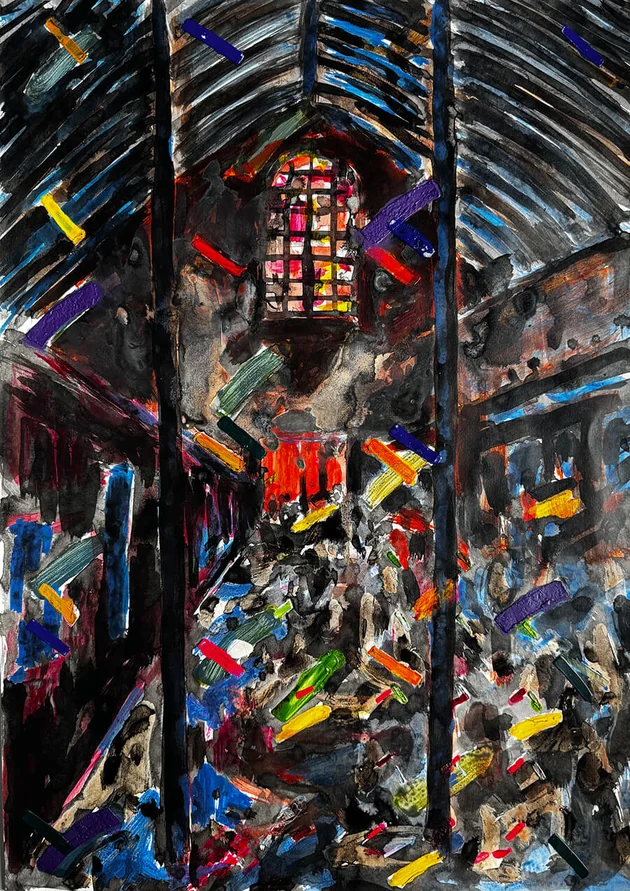
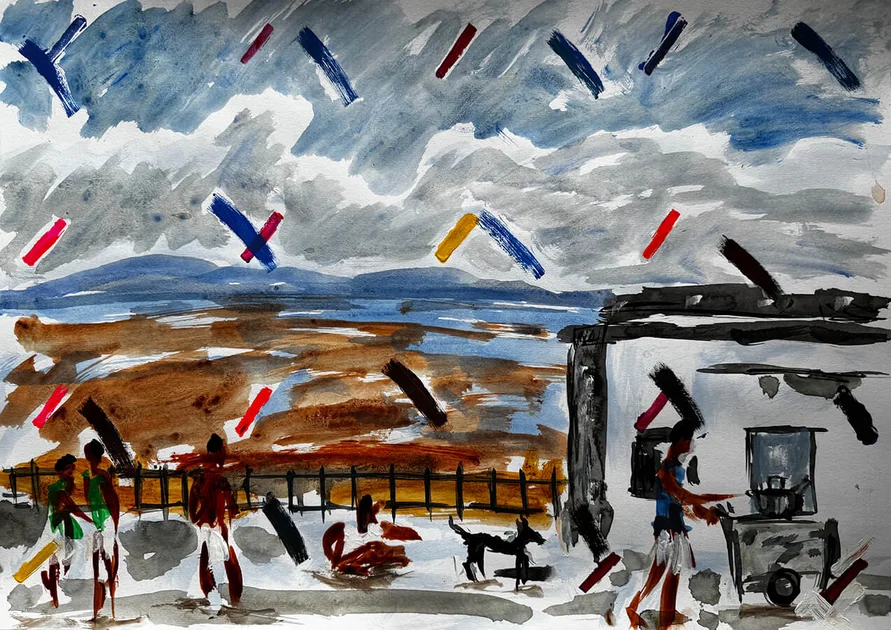
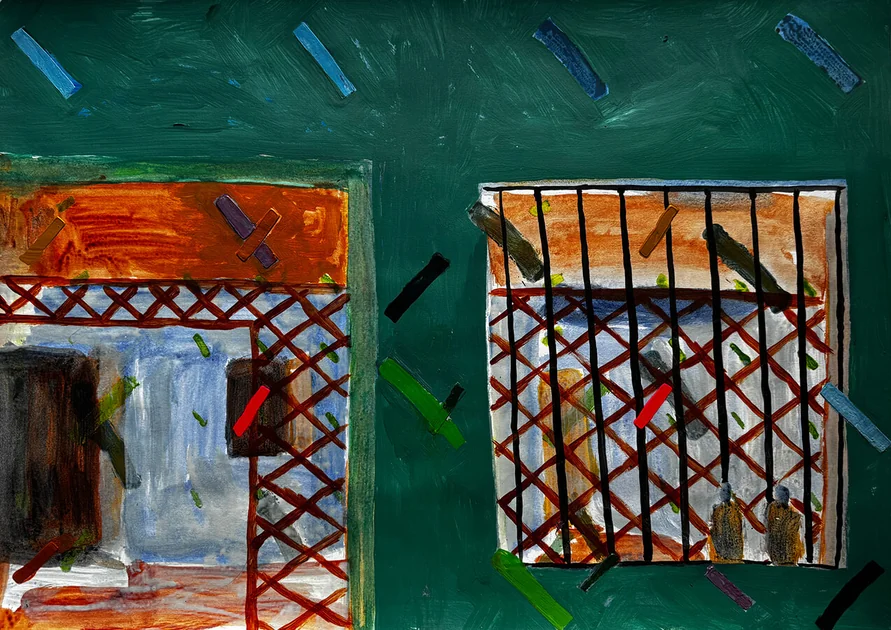
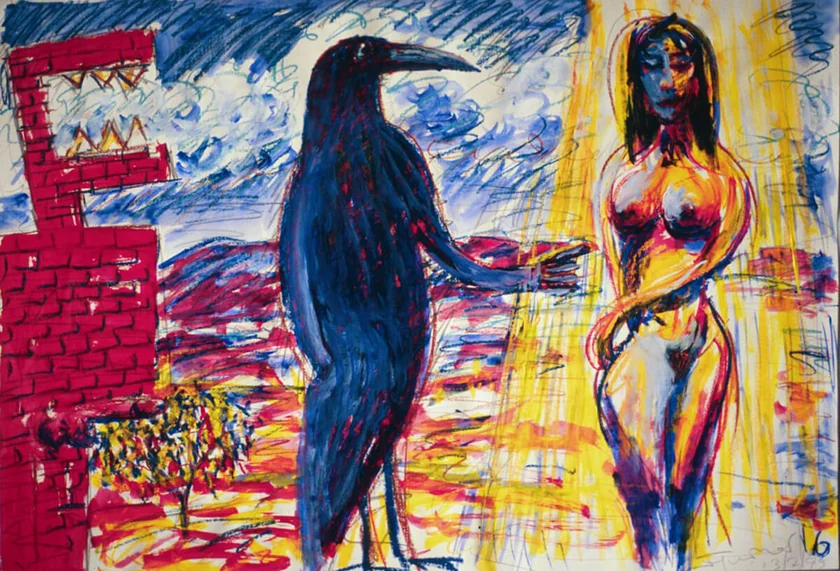
These paintings consider the relationship between an artist's final works, mortality and artistic memory. The title refers to Vincent van Gogh's Wheatfield with Crows — not as a subject to illustrate, but as a starting point for a broader question: what happens when an artist becomes conscious that every painting might become part of their legacy?
The series explores the idea of the “last painting” — the work made at the point where life, practice and legacy become inseparable. These are not presented as my final paintings. They are an open and developing body of work.
This is the beginning of the series. More paintings will be added as the work develops.
Previous work
Earlier chapters
Before Wheatfield with Crows, the practice moved through India, Again, The Spaces in Between and a wider history of paintings and constructions. The path is continuous: earlier work → India, Again → The Spaces in Between → Wheatfield with Crows.
Previous work
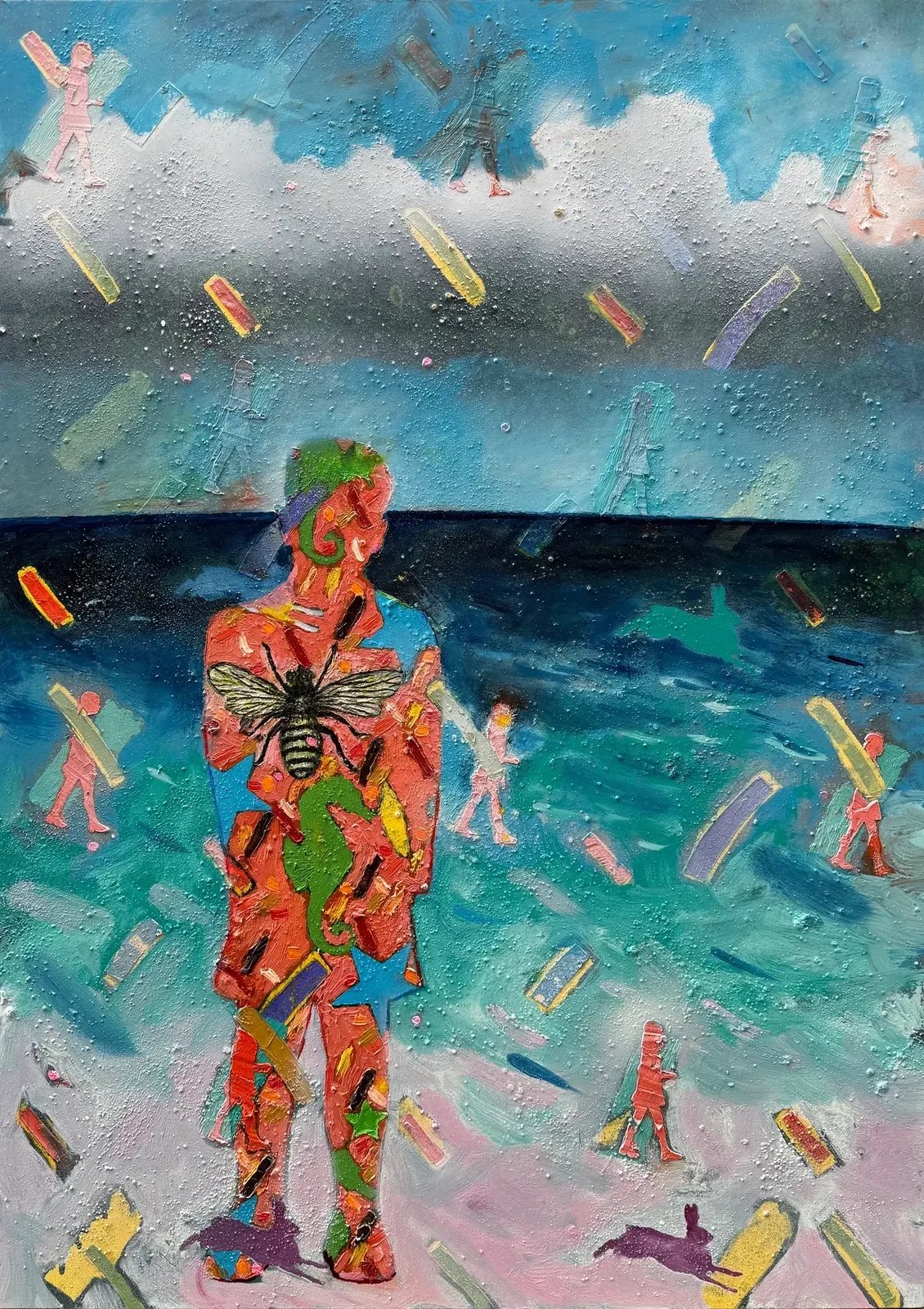
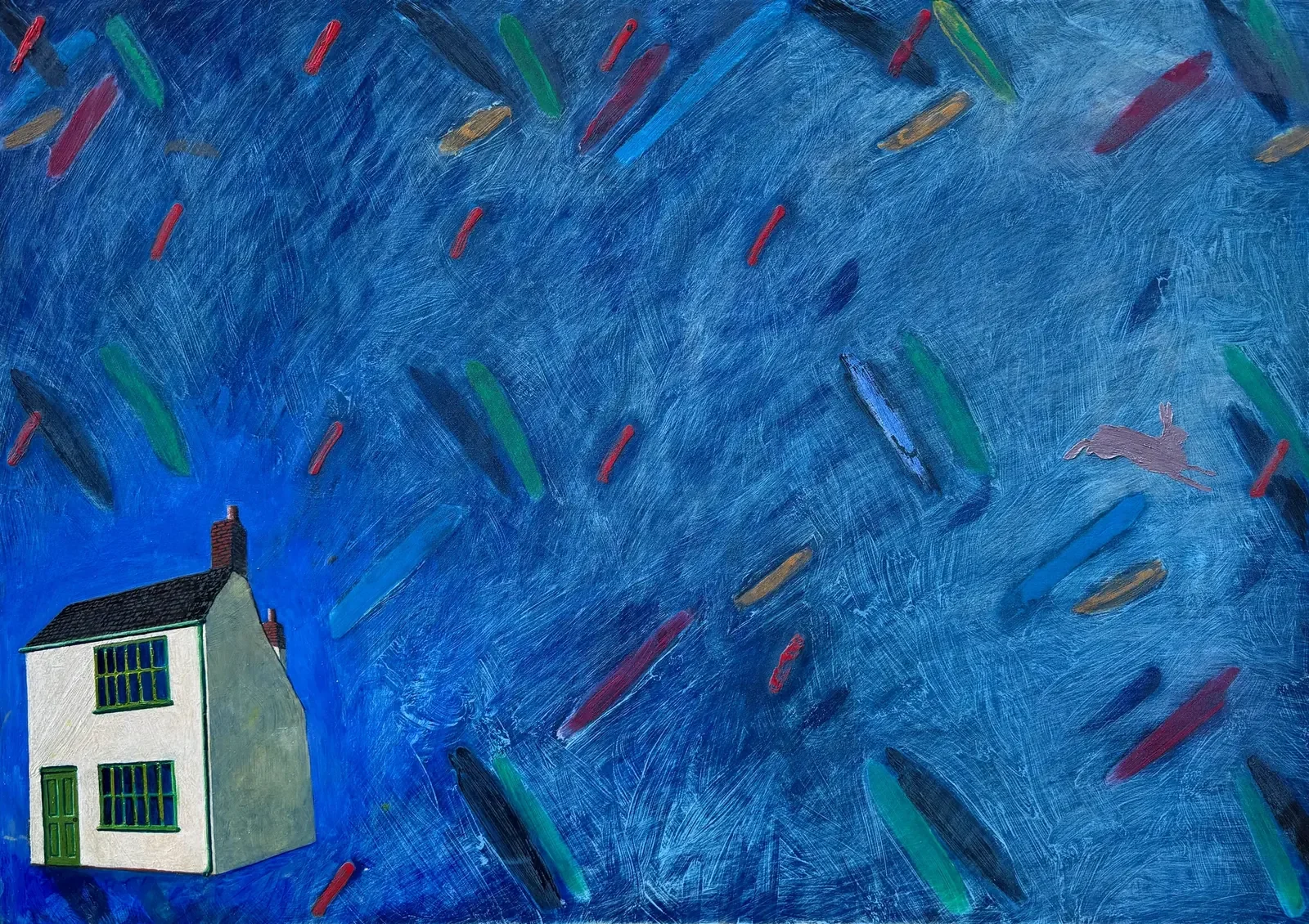
The Spaces in Between
The Spaces in Between is concerned with looking back at childhood, and with the way early experience continues to shape us. The paintings consider memory not as a sequence of events, but as the distance between what is remembered and the person one has become.
The work follows India, Again, which looked back at experiences and memories of India, and precedes Wheatfield with Crows, the current series concerned with painting, mortality and artistic memory. It is another chapter in a continuing investigation into memory and experience.
Previous work
India, Again
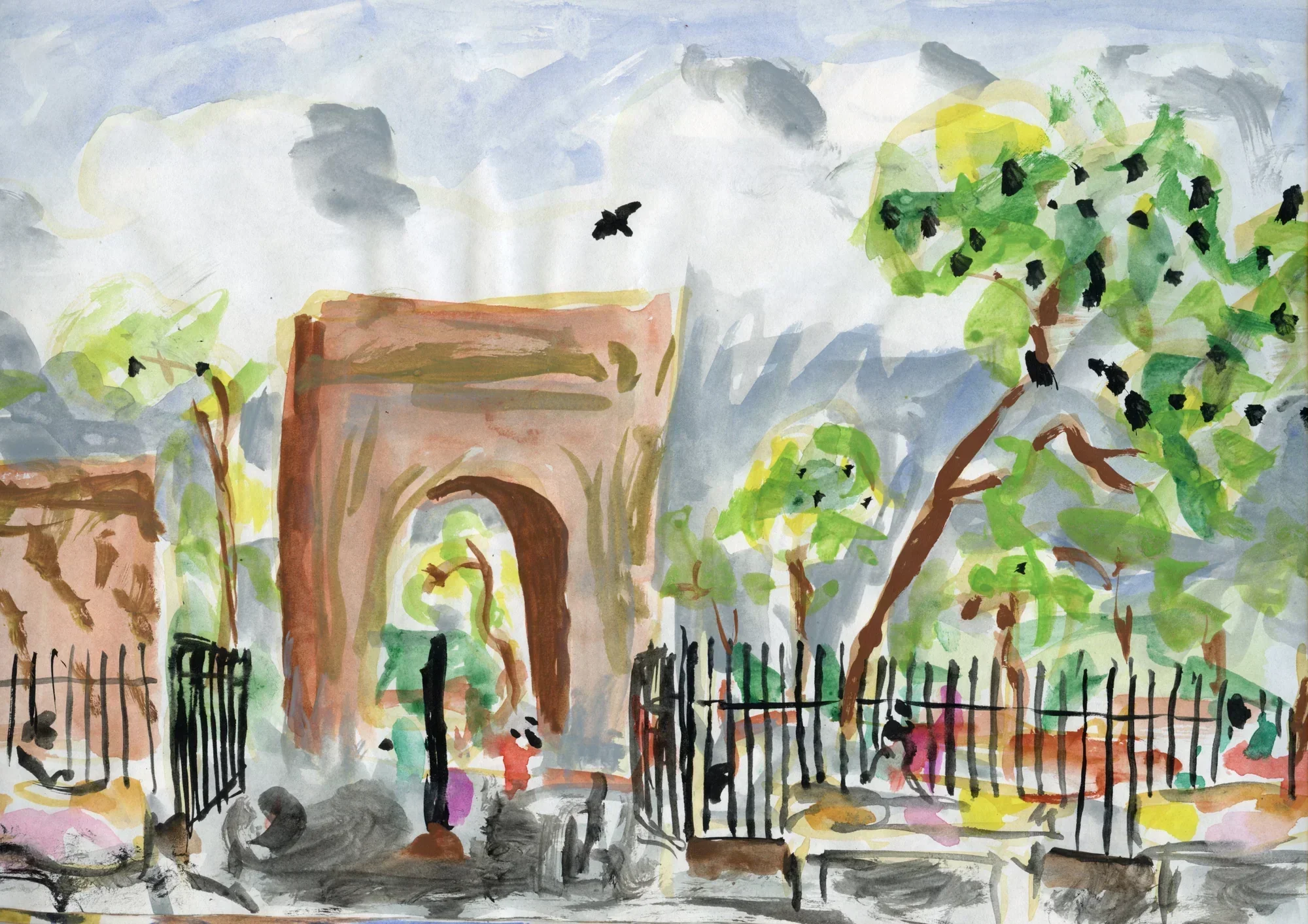
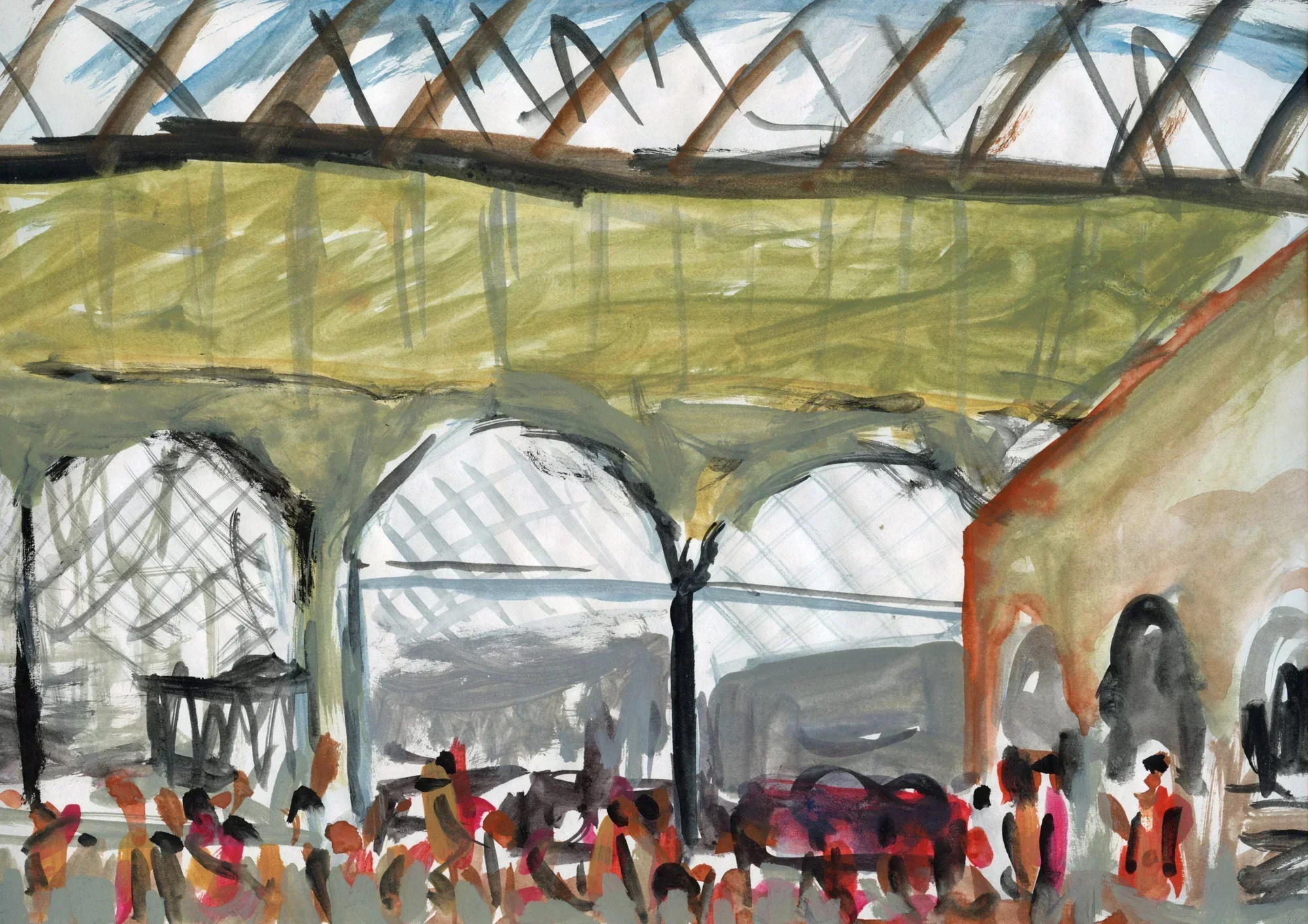
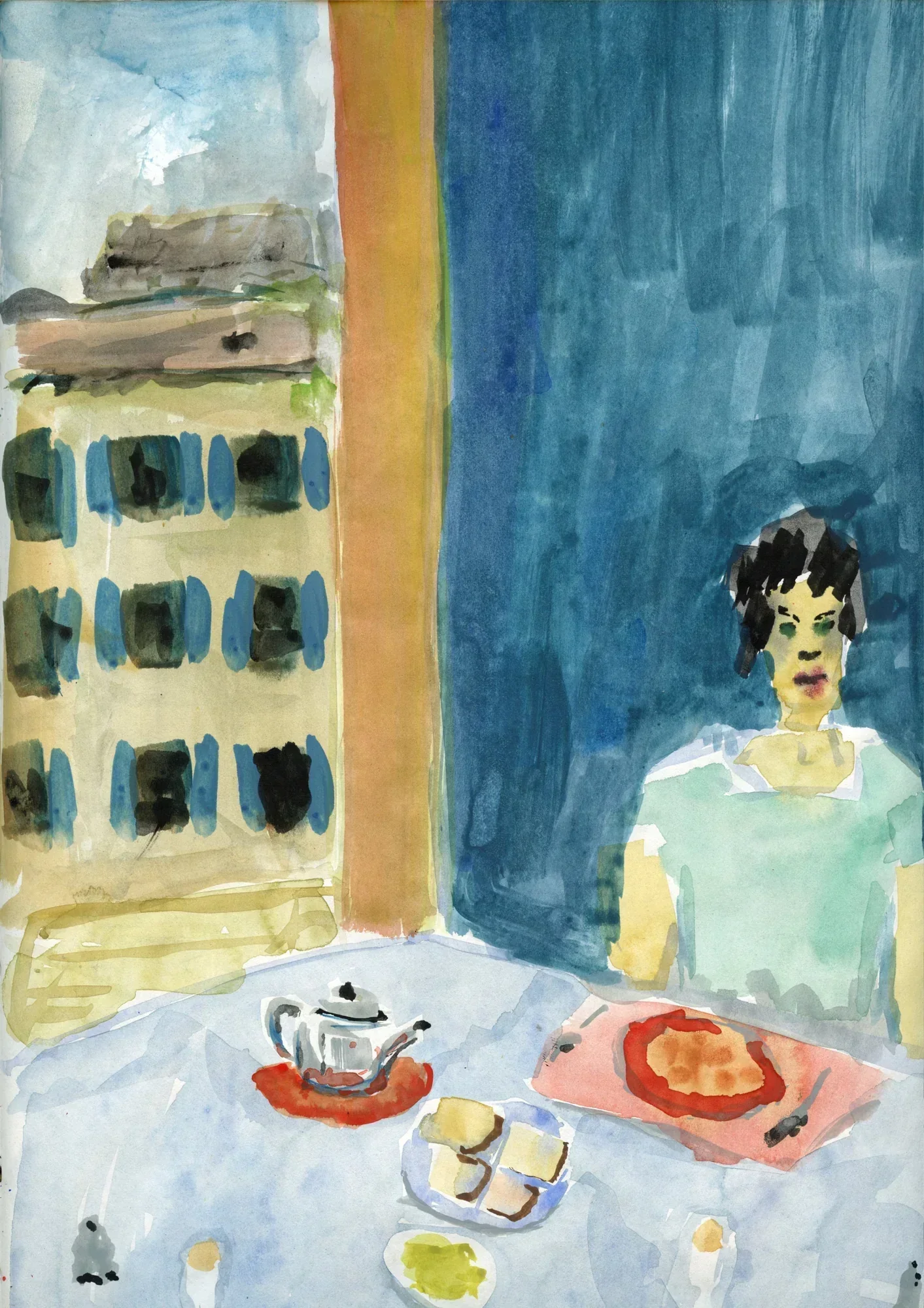
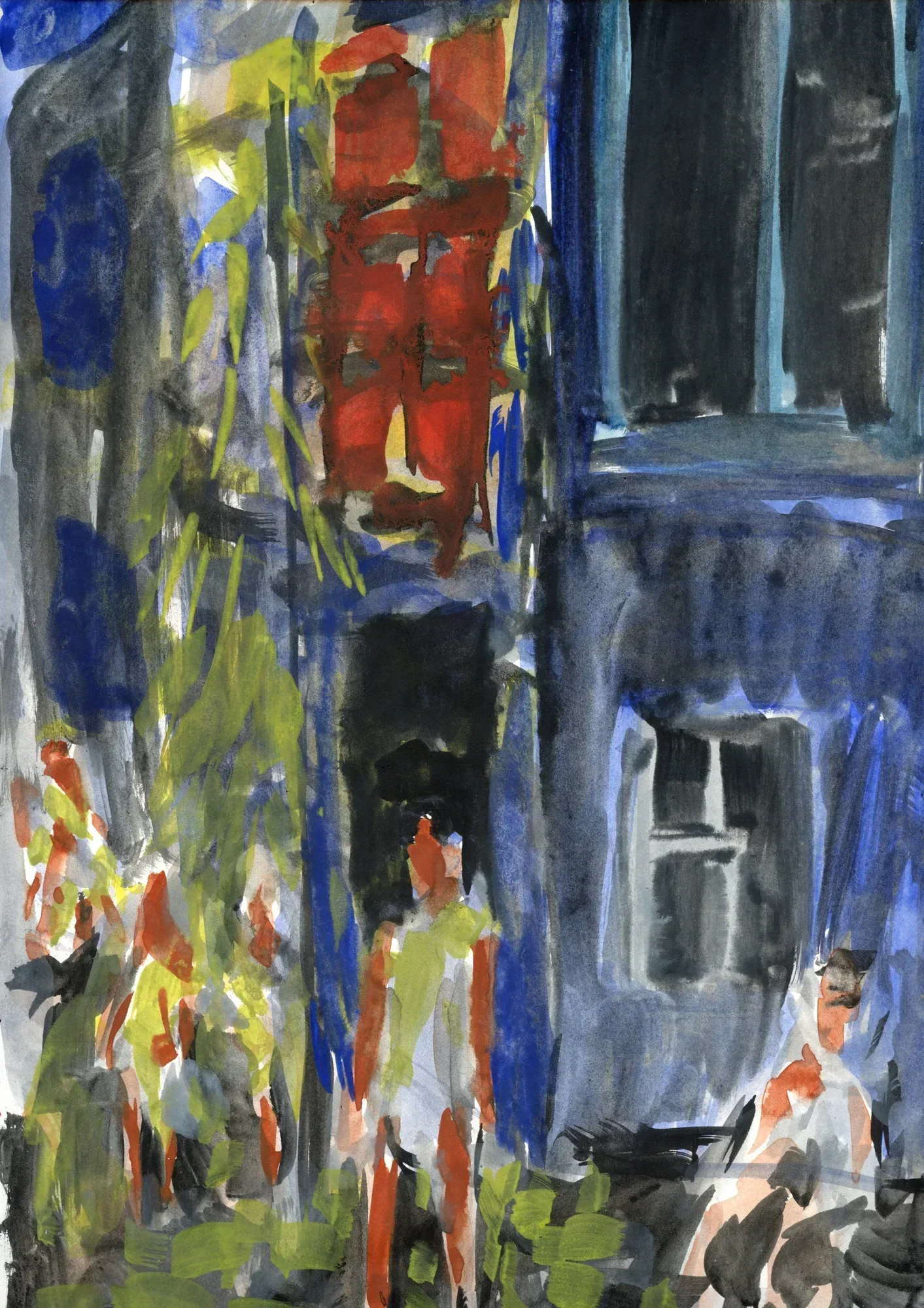
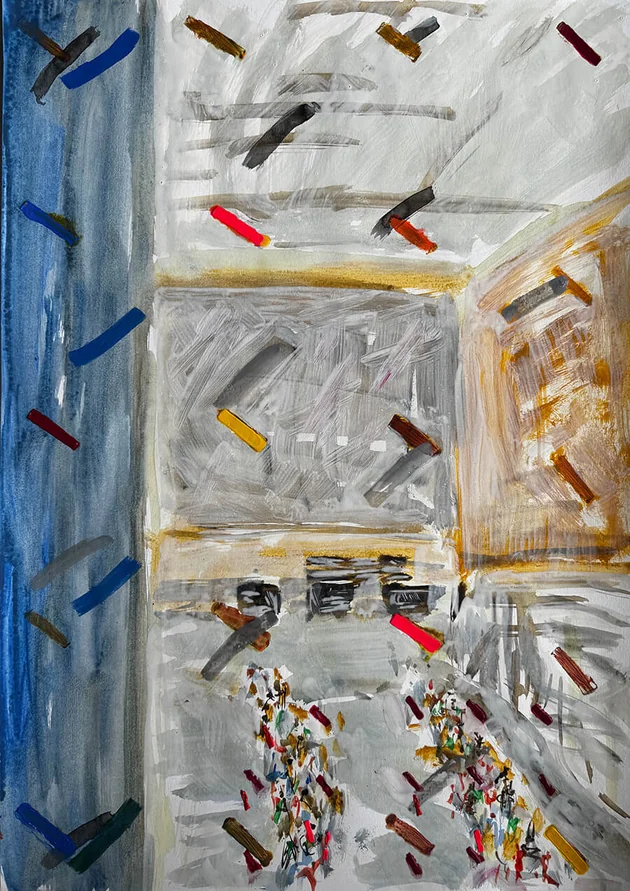
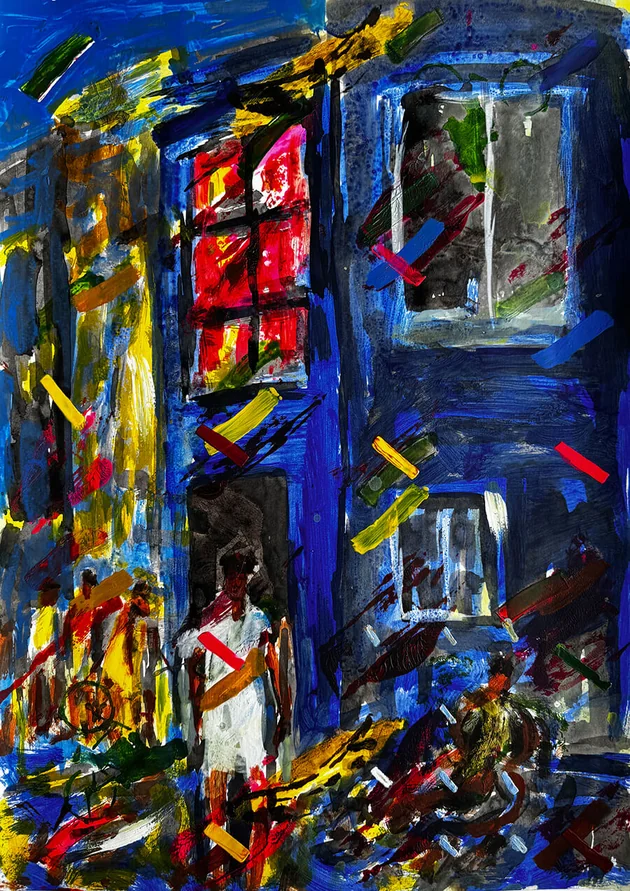
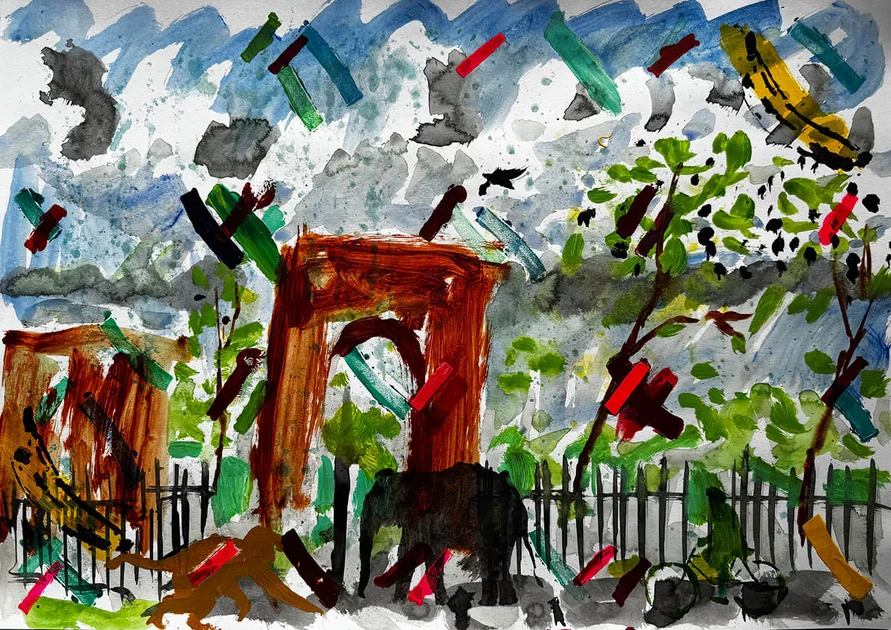
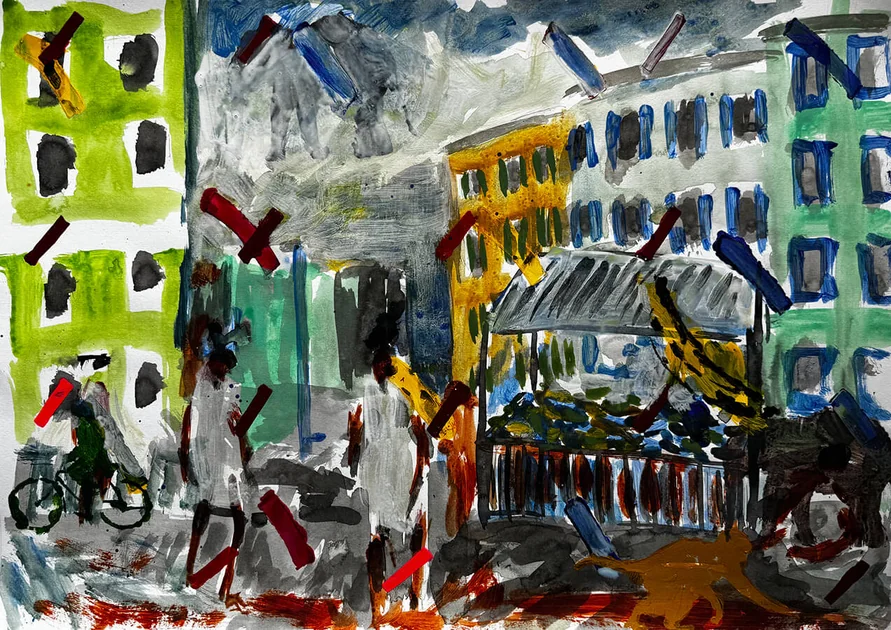
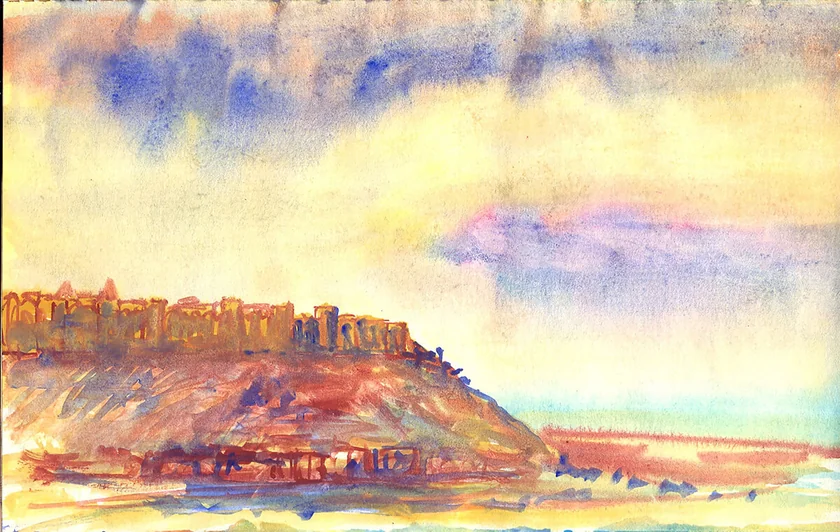
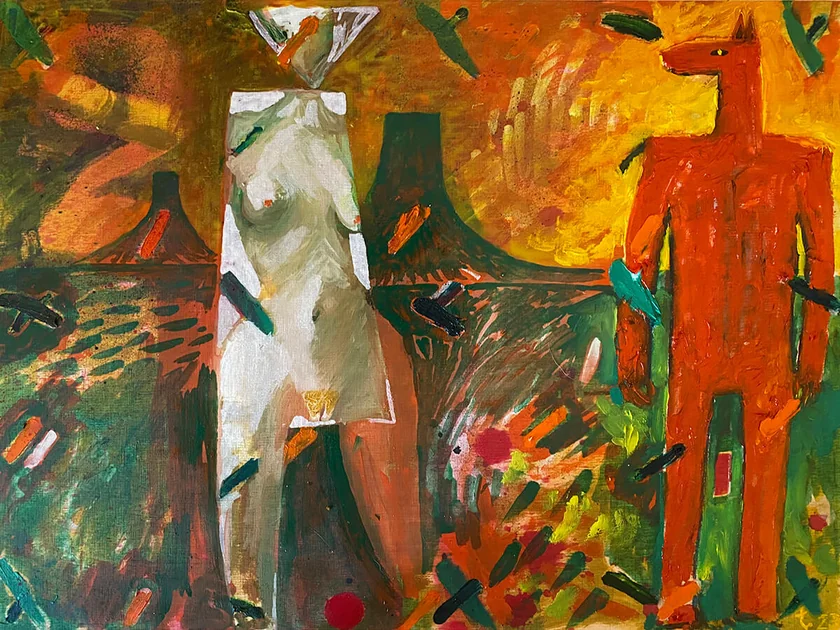
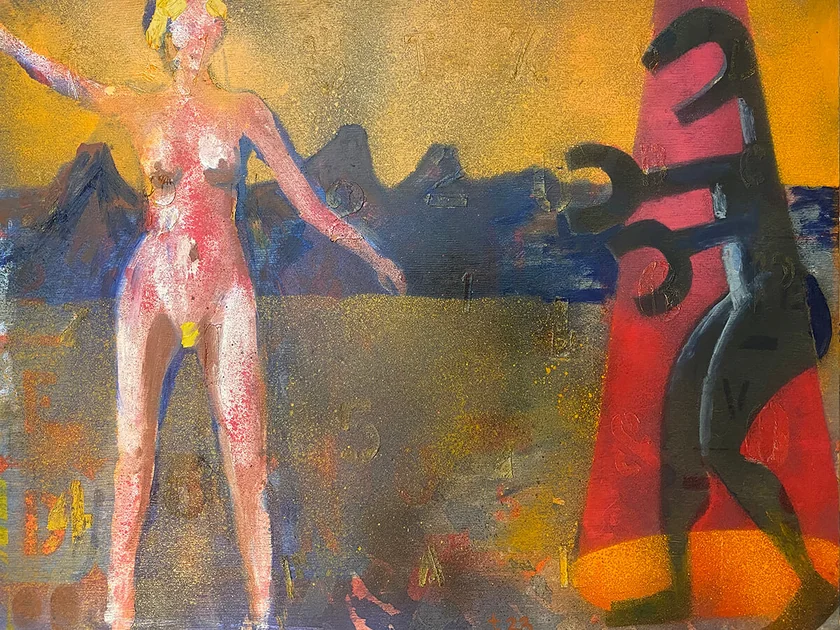
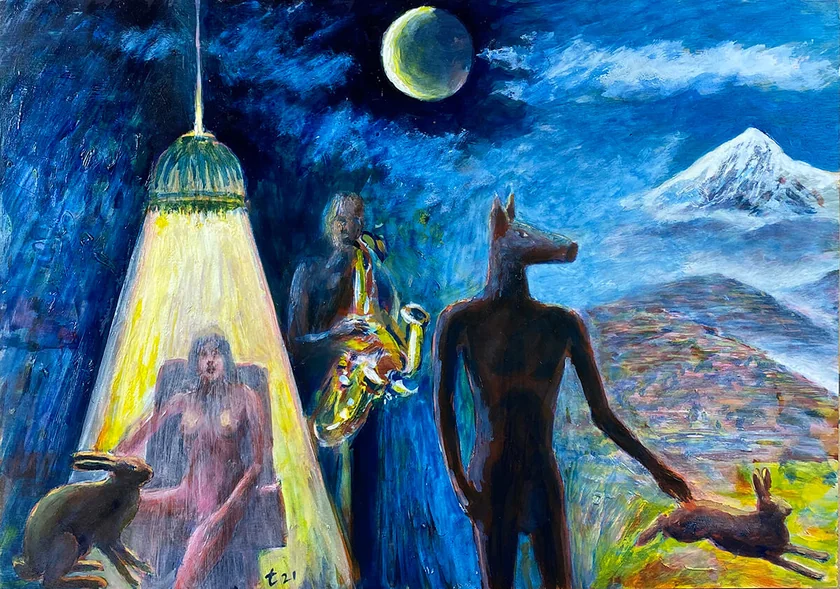
India, Again is a significant recent body of work arising from memories and experiences of India. In the early 1980s I travelled through India, making watercolours along the way. More than forty years later those paintings and memories became the starting point for a series of oil paintings on wood.
The work was concerned with the return of remembered places and experiences through painting, and with the distance between the original experience and its later reconstruction through memory.
It remains an important part of the story of the work leading towards the present series.
India, Again
40 Years Apart
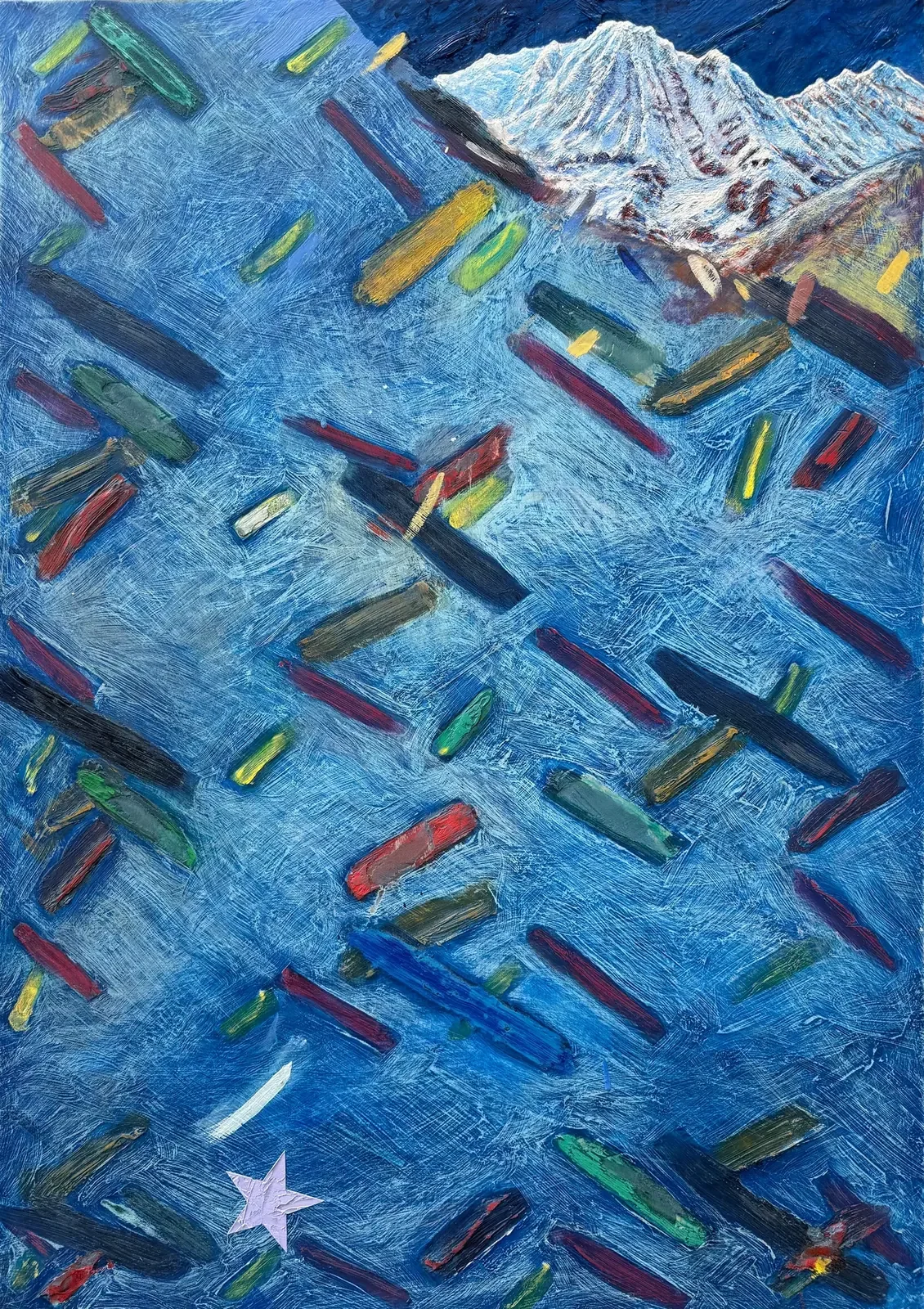
Some of the India paintings began with watercolours made while travelling through India in the early 1980s. The distance between those paintings and the later oils is more than forty years.
Looking at the old paintings now is like looking at a memory through another memory. The places remain recognisable, but the experience of them has changed. The old watercolours are therefore not simply source material. They are part of the history of those paintings.
1980s — Watercolour
2026 — Oil on wood
1980s — Watercolour
2026 — Oil on wood
1980s — Watercolour
2026 — Oil on wood
1980s — Watercolour
2026 — Oil on wood
About
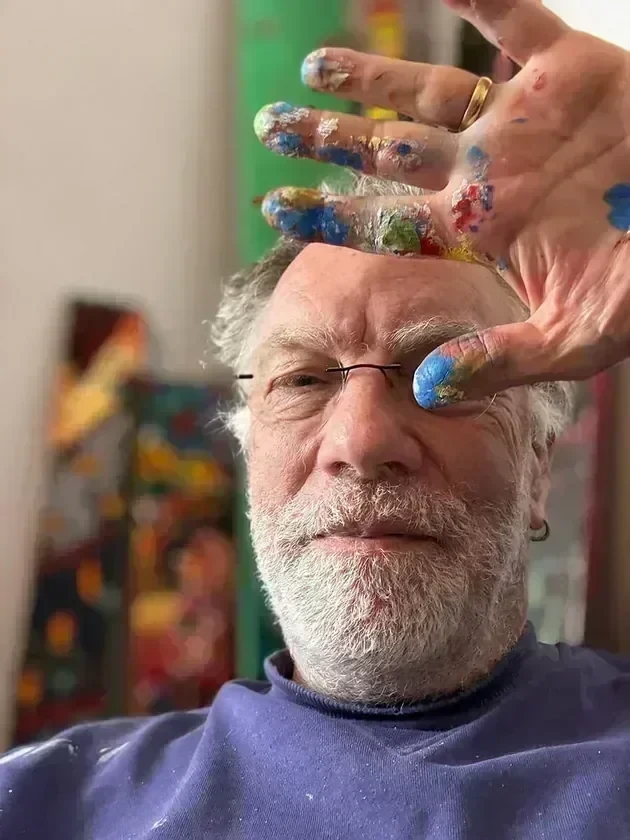
About Mark Painter
Mark Painter was born in Bermuda in 1957 and moved to England in 1966. He began painting as a child and has continued to paint across decades of travel, work and return.
He studied at Great Yarmouth School of Art before studying Fine Art at St Martins School of Art in London, where he graduated with First Class Honours in 1979. He subsequently studied Fine Art Painting at the Royal College of Art, completing an MA in 1984.
His first exhibitions took place while he was still a student. He was selected for New Contemporaries at the Institute of Contemporary Arts in 1977 and exhibited at the Royal Academy in 1978 and 1979.
After leaving the Royal College of Art, Painter's life and work took a less conventional path. He worked in theatre, including at the Royal Opera House, lived and travelled in different parts of the world, and continued painting alongside other work. Experiences of Bermuda, India, Nepal and elsewhere have contributed to a practice concerned with memory, place, observation and transformation.
India, Again returned to watercolours and memories from travels in India in the early 1980s, reconstructing those experiences through oil paintings on wood.
The Spaces in Between looks back at childhood and at the continuing presence of early experience — another chapter in the same enquiry into memory, between India, Again and the present work.
Wheatfield with Crows is the current stage of the same continuing investigation — not a sudden departure, but another chapter in a lifetime of painting. It asks how painters think about mortality, legacy and the work that may outlive them.
Painter's work has continued to be exhibited over several decades, including exhibitions at the ICA, Royal Academy, Mall Galleries, Brick Lane Gallery, Brixton East, Devonshire Collective, The Holy Art, Old Fox Yard and Sussex Contemporary. He continues to paint in Sussex.
Practice
Artist statement
I have become increasingly interested in the relationship between painting, memory and mortality.
Artists are often remembered through particular paintings, sometimes through paintings made near the end of their lives. Van Gogh's Wheatfield with Crows is one example of a painting that has acquired an extraordinary significance because of its place within the artist's life and the circumstances surrounding his death.
But the question is not simply which painting was an artist's last. The more interesting question is what happens to a painting when we know an artist has died. Does the painting change? Does our understanding of it change? And what does an artist think about the possibility that their paintings may eventually outlive them?
Wheatfield with Crows begins with these questions. The paintings are not intended to illustrate death. They are an attempt to think through mortality from within the act of painting itself.
I am still painting, still working, and still uncertain where the series will lead. This is the beginning of a conversation rather than a conclusion.
Previous work
Earlier work
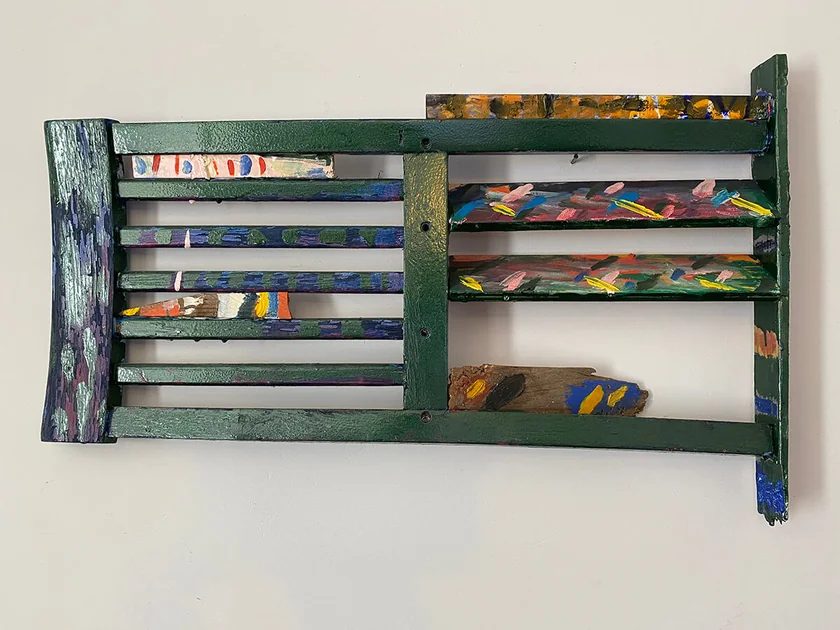
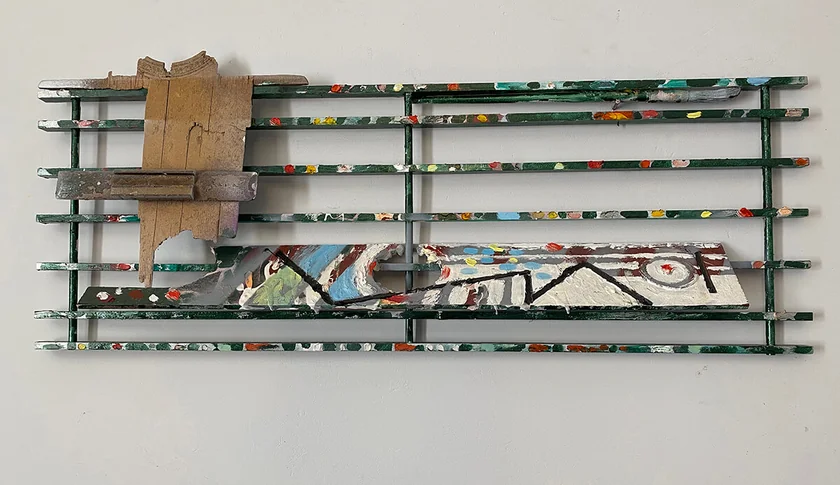
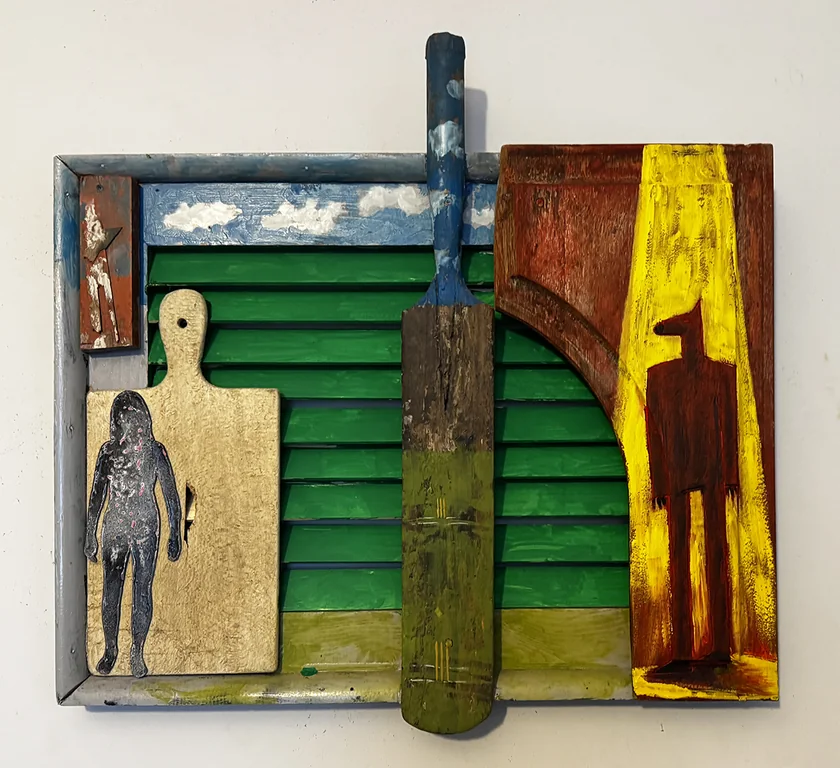
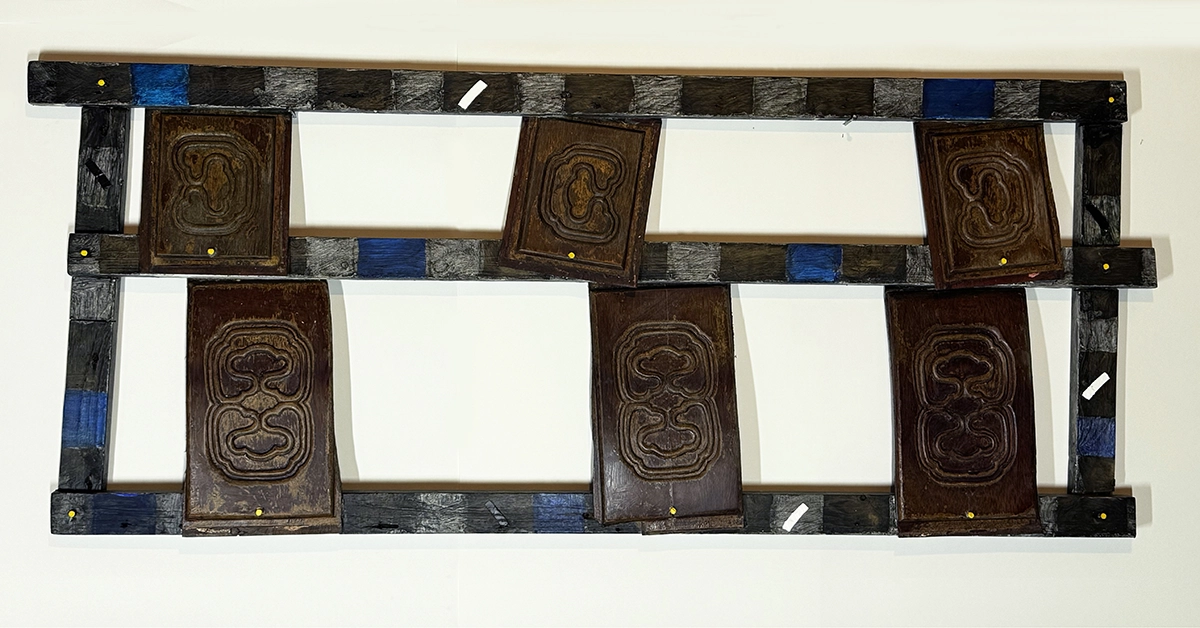
The paintings and constructions below represent different periods and directions in my practice. They sit beneath India, Again and The Spaces in Between in the chronology of the work, and record an ongoing interest in structure, chance, memory, place, material and the relationship between order and disruption.
For the current series, see Wheatfield with Crows. For recent previous work, see The Spaces in Between and India, Again.
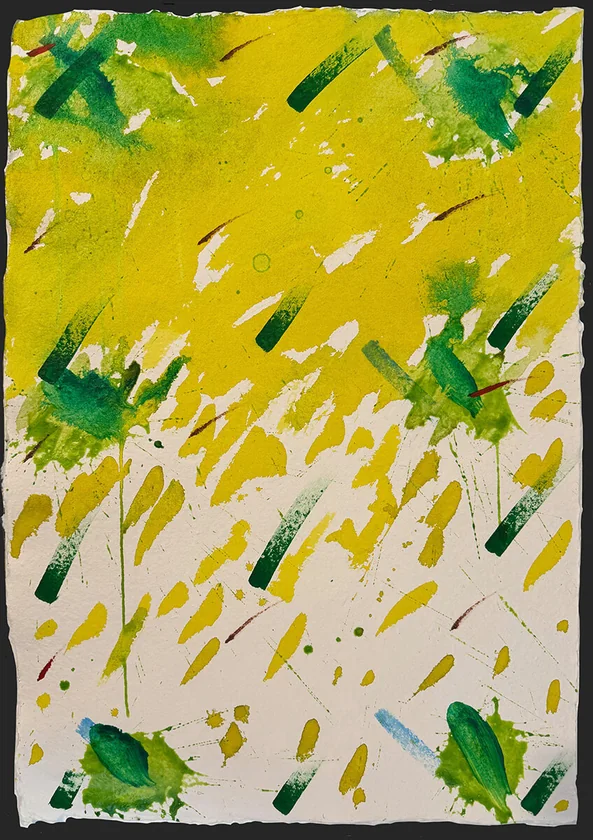
Paintings
Oil, acrylic and watercolour across decades — observation, invention, remembered places and studio making.
View paintings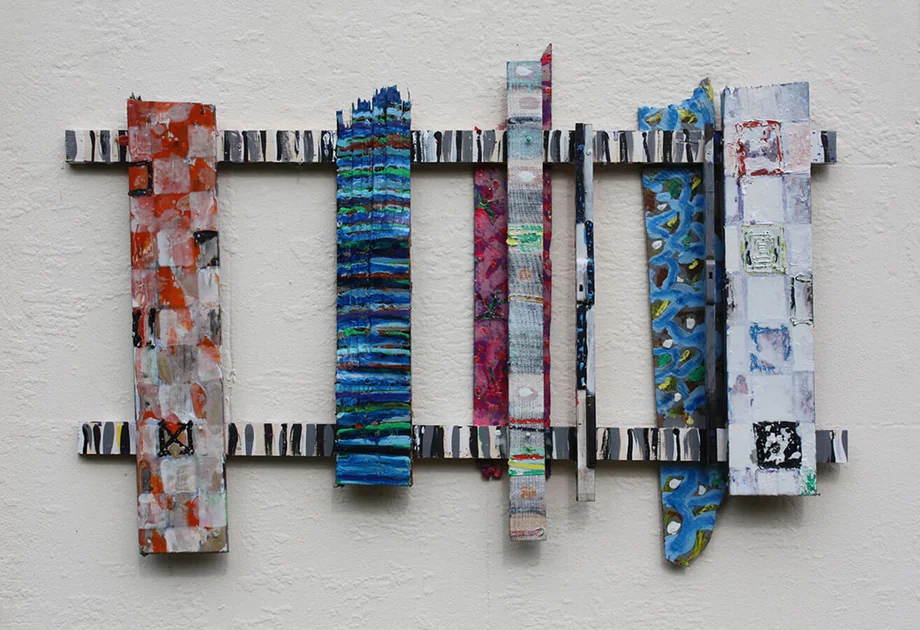
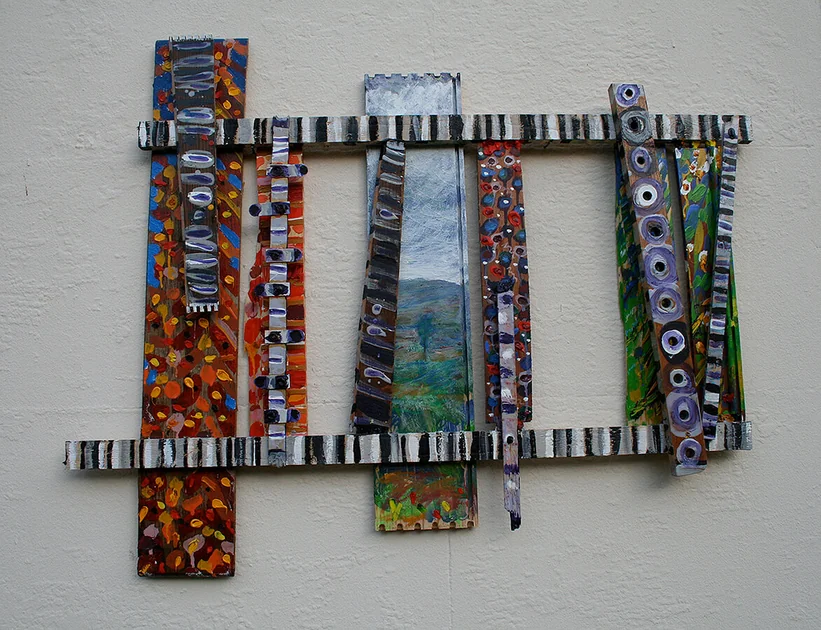
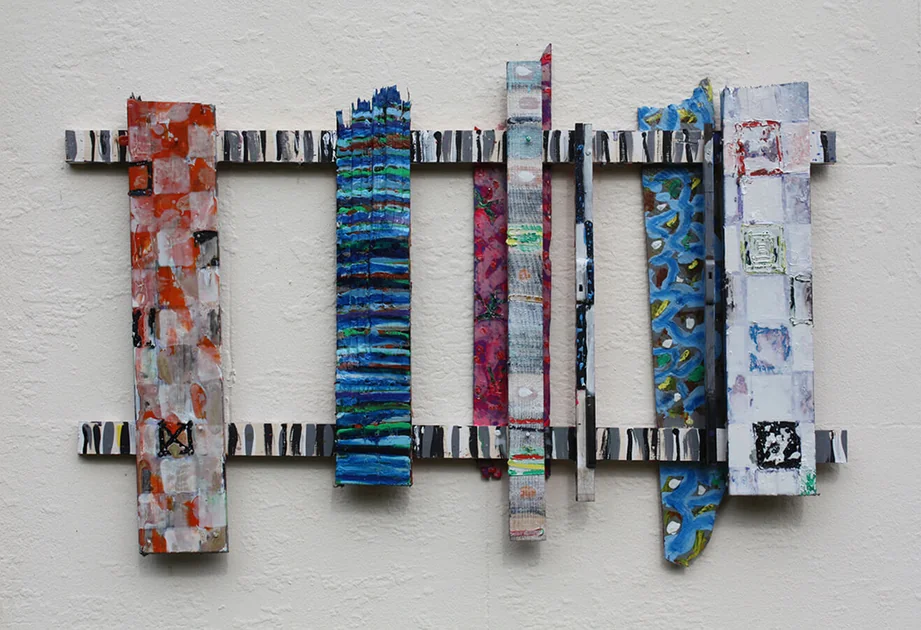
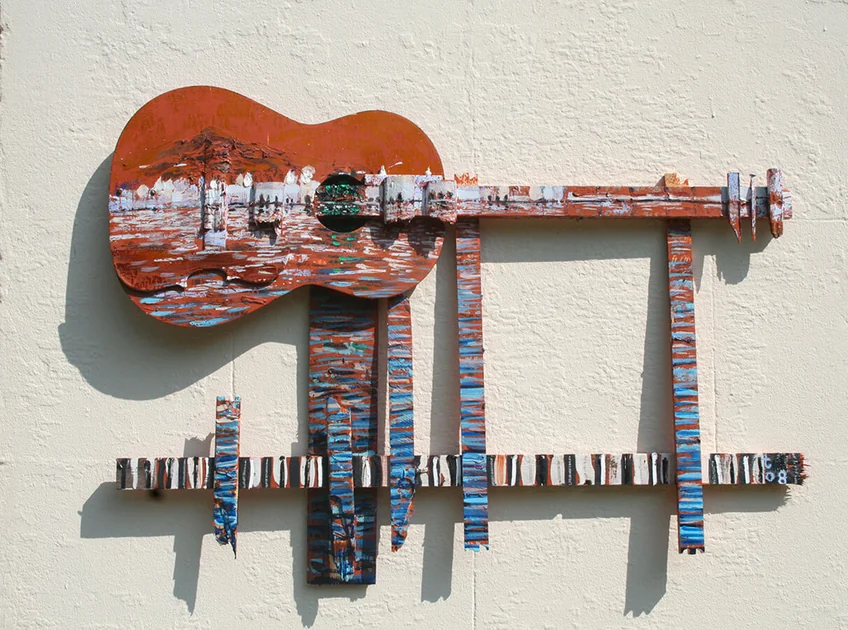
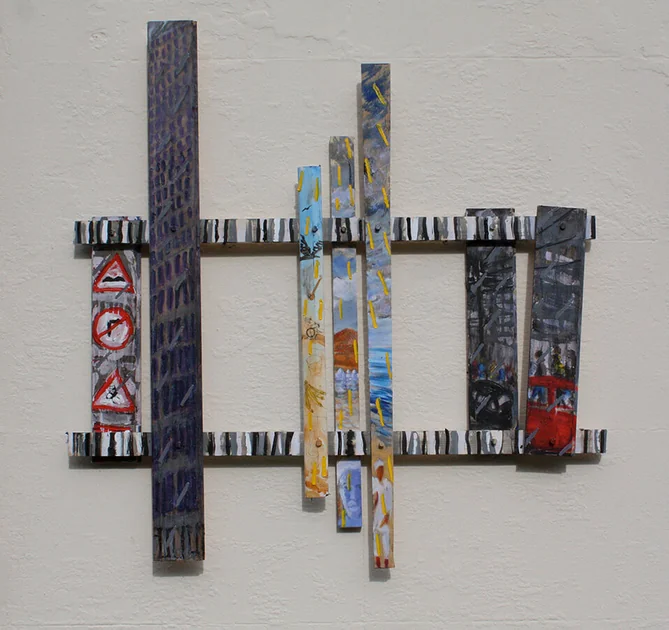
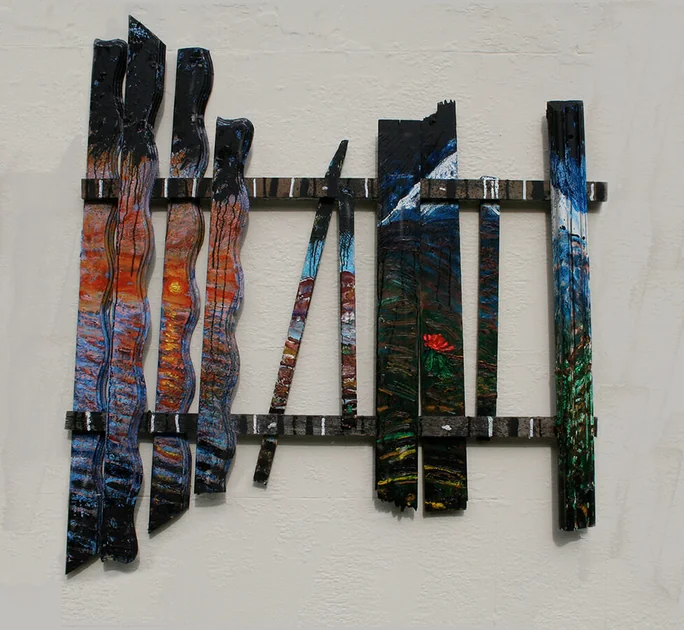
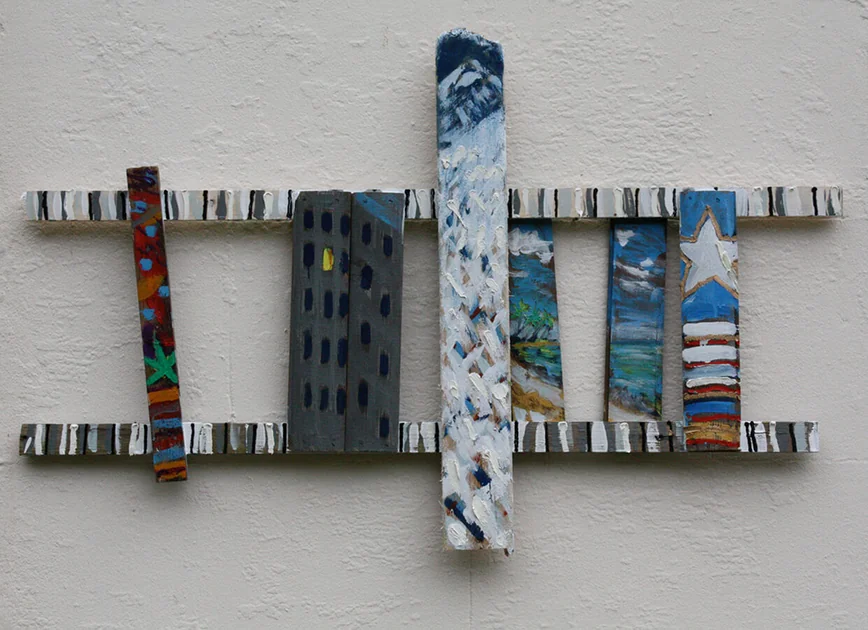
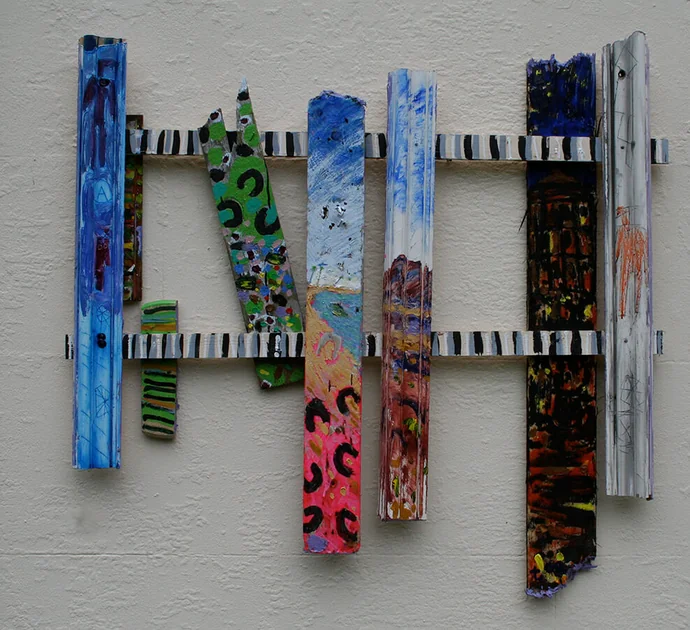
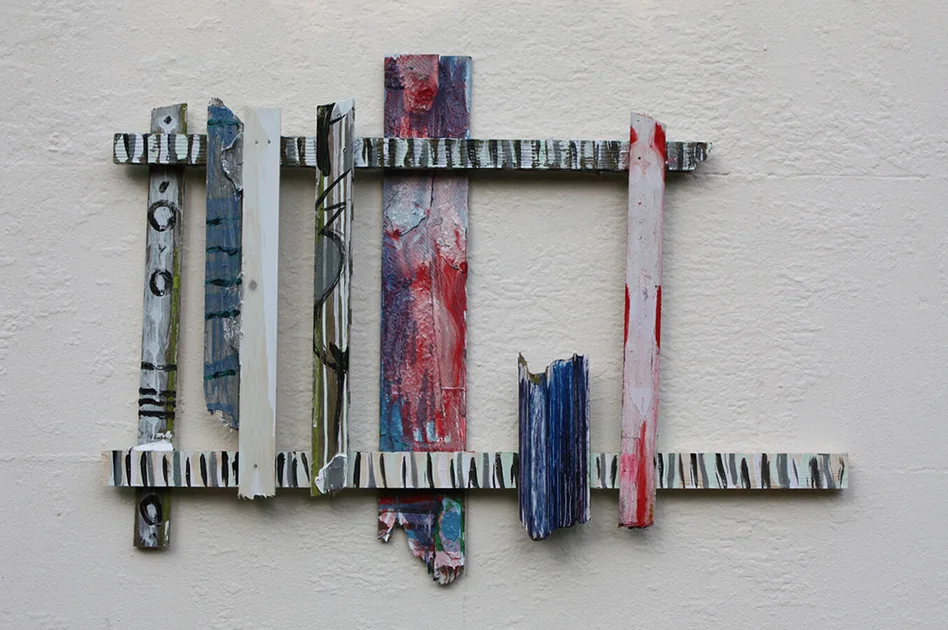
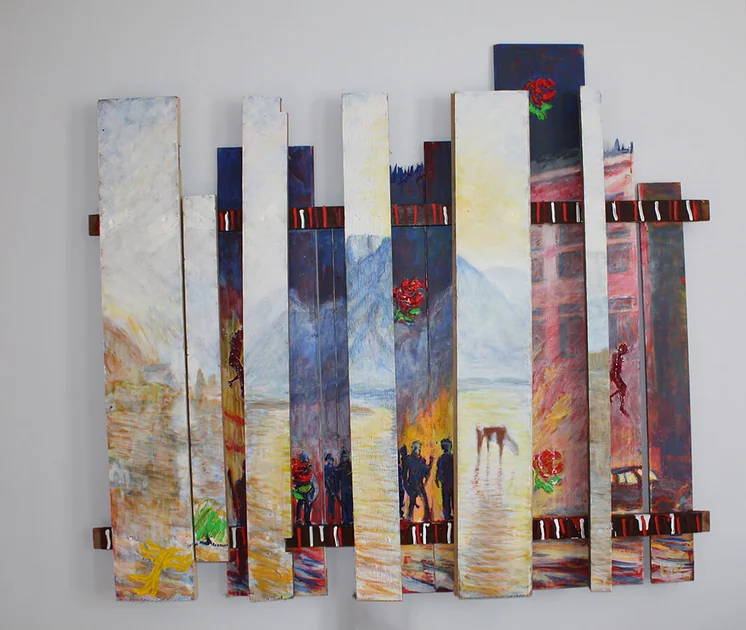
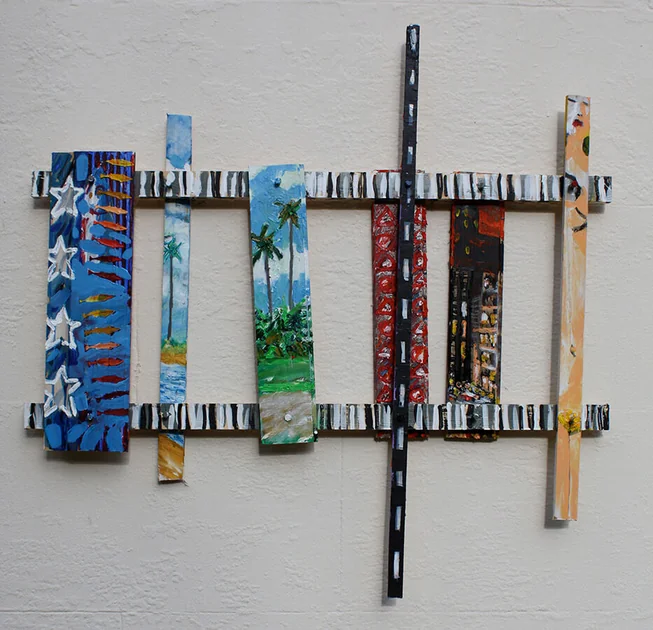
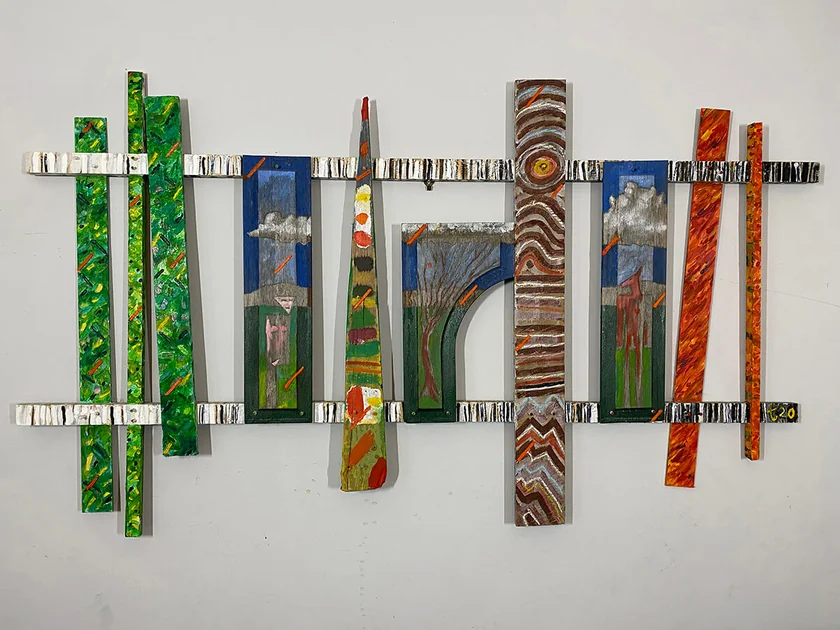
Fences & Barricades
Mixed paint on reclaimed wood. Defensive structures that began in the studio and later included the Autobiography Fence.
View fences & barricades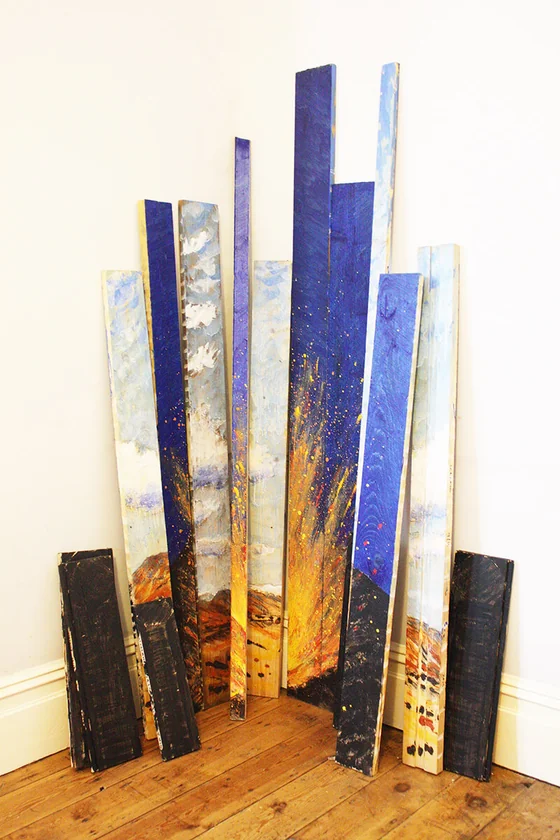
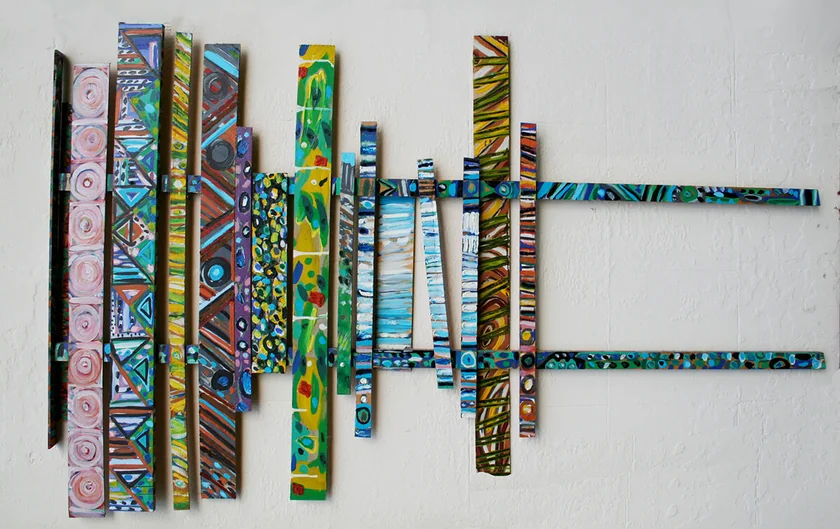
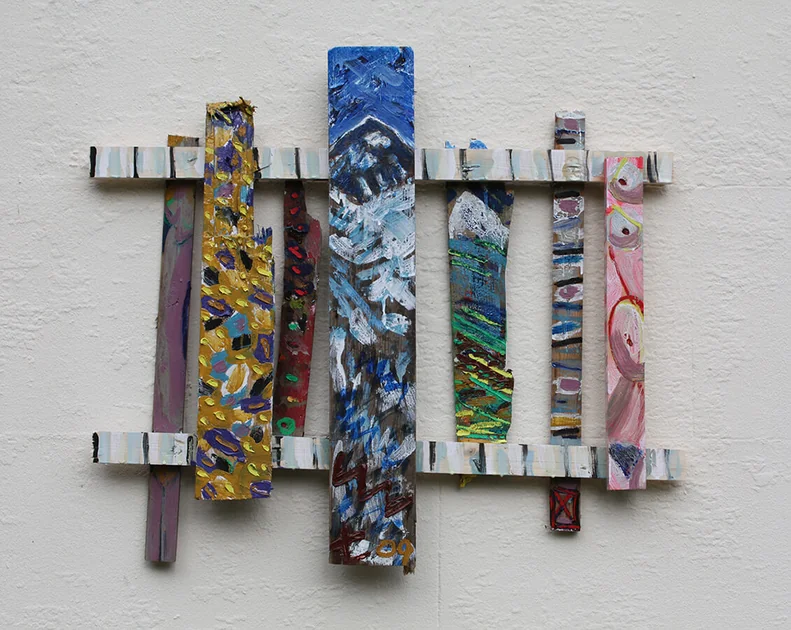
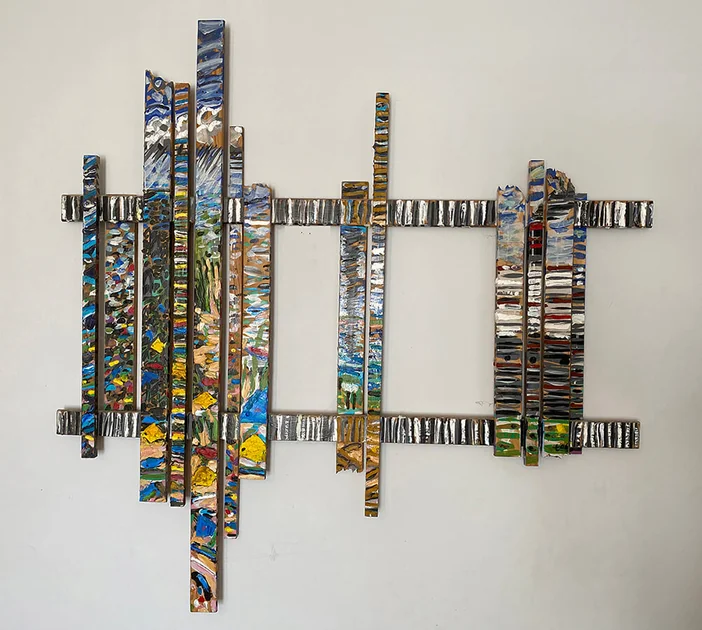
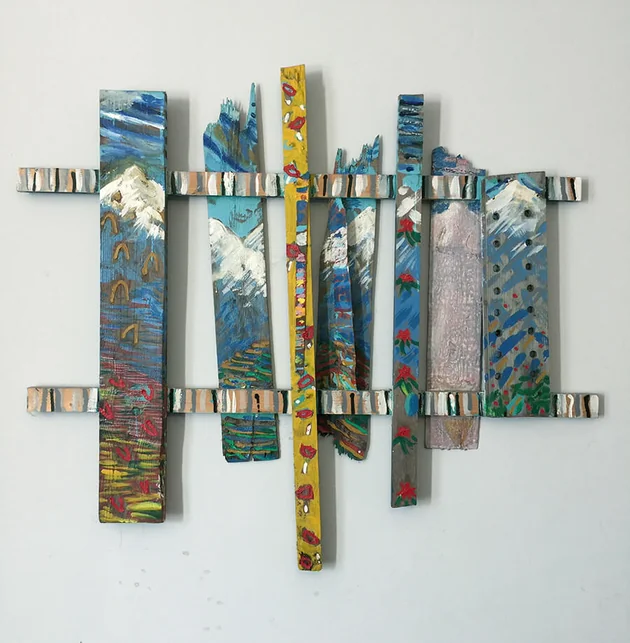
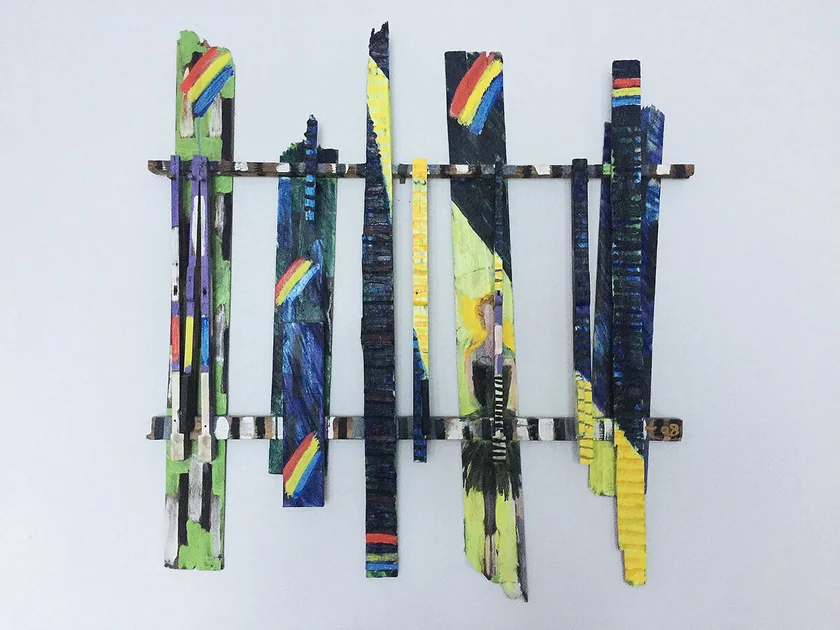
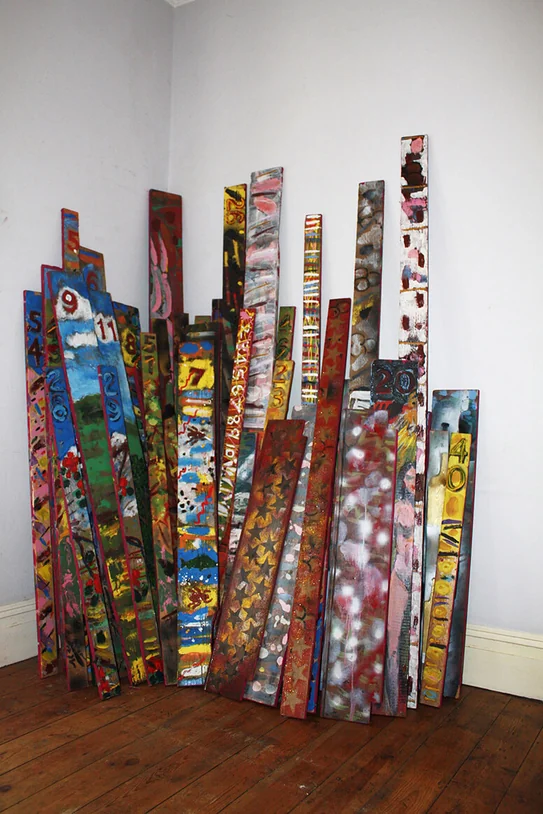
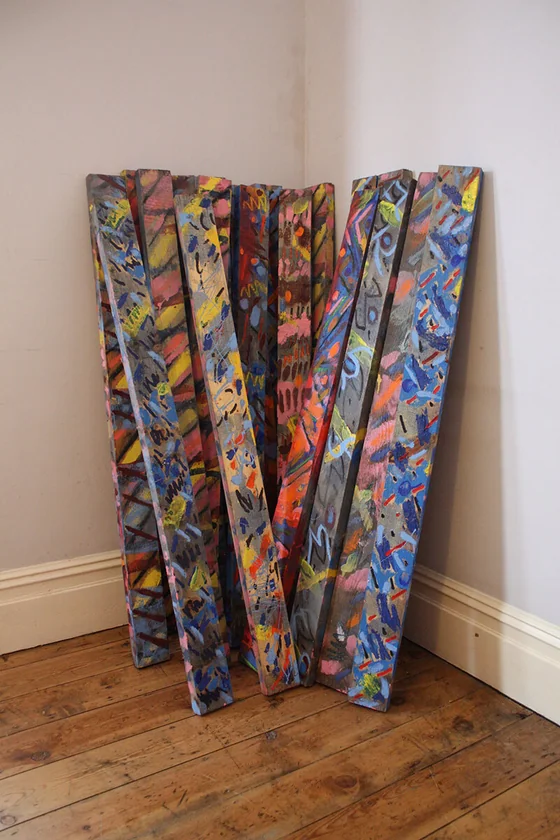
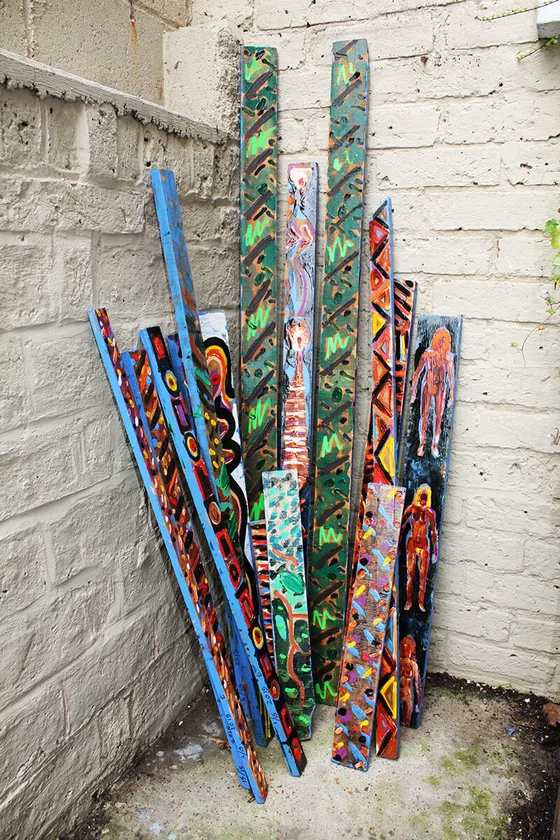
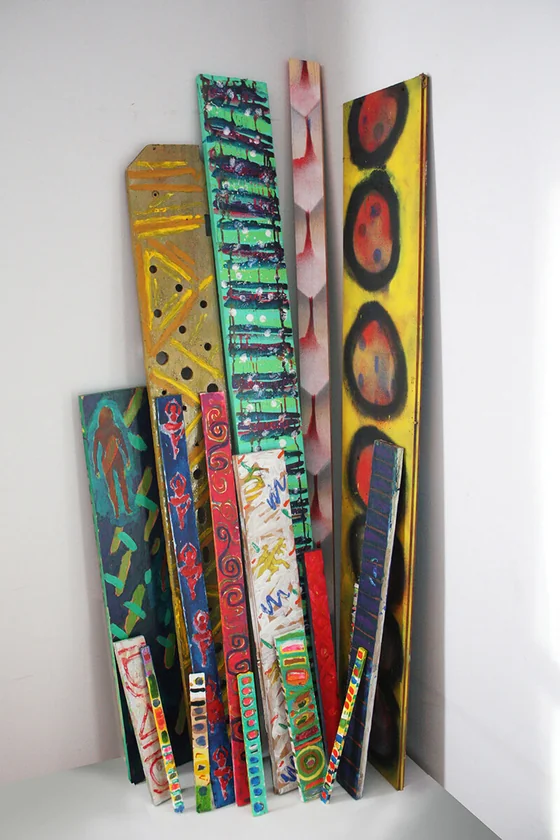
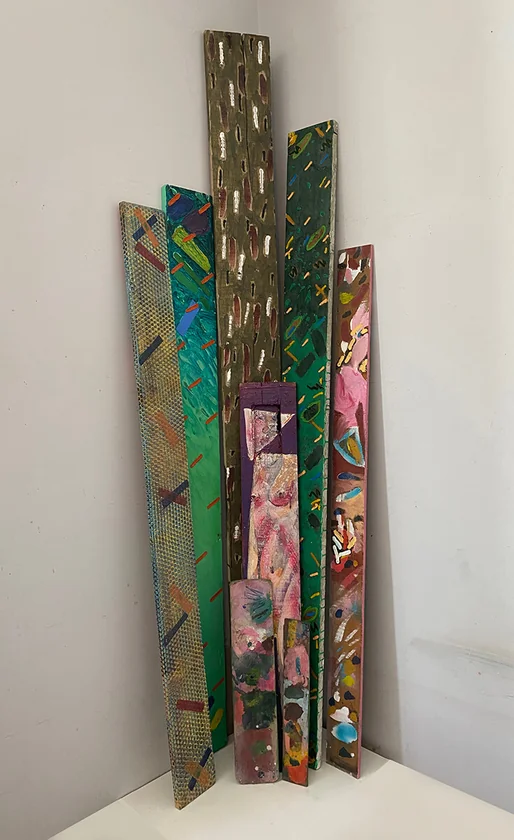
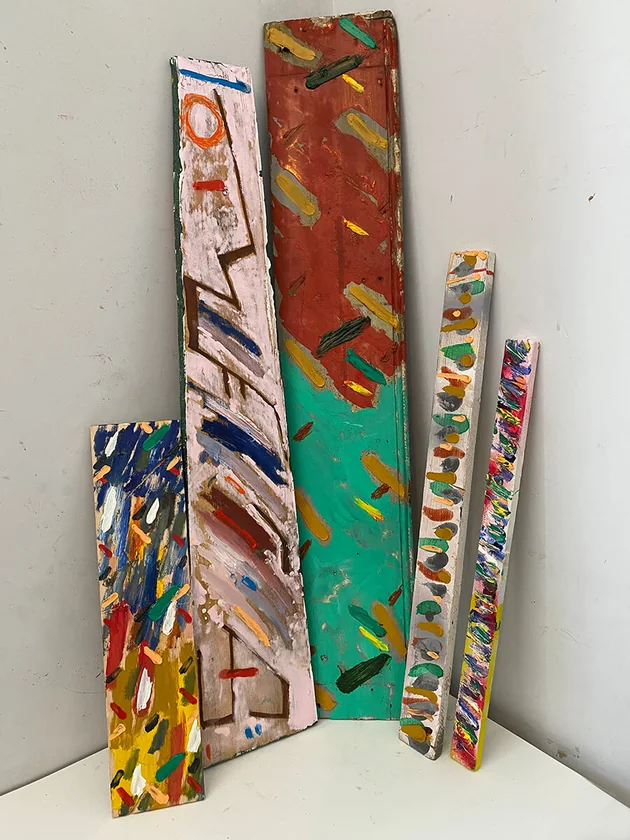
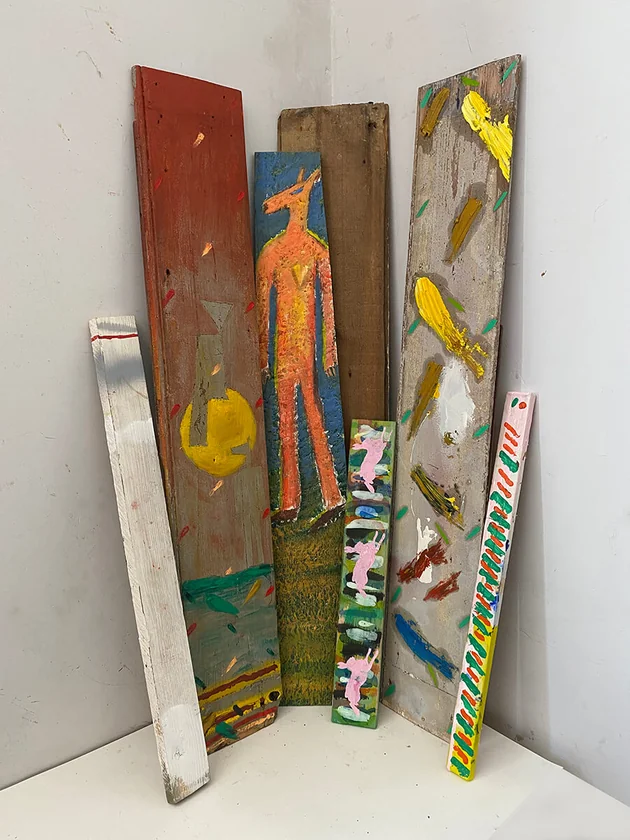
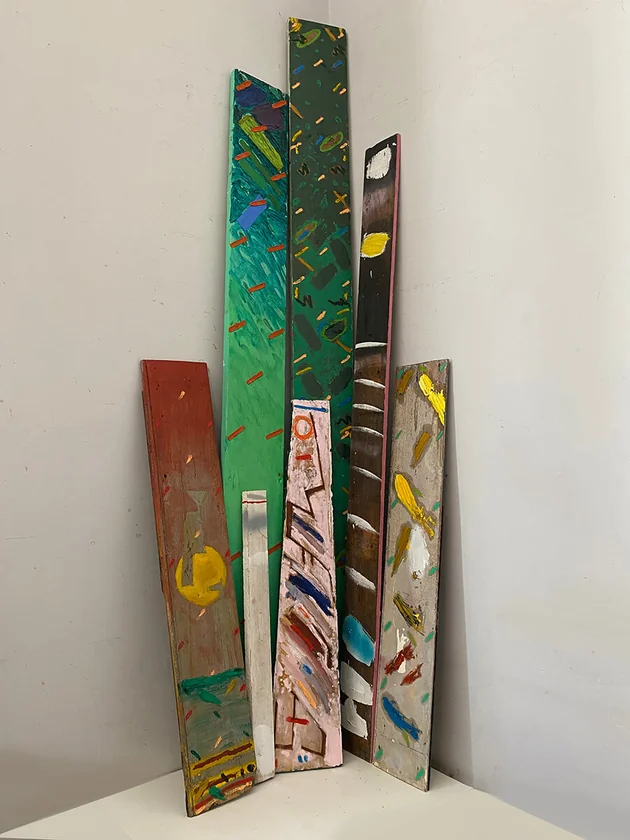
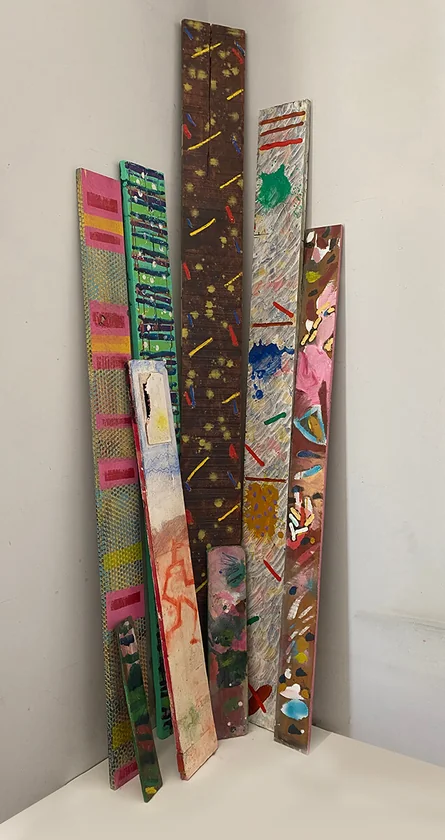
Splinter Groups
Reclaimed wood and recycled paint — freer arrangements that emerged while the fences were being made.
View splinter groups
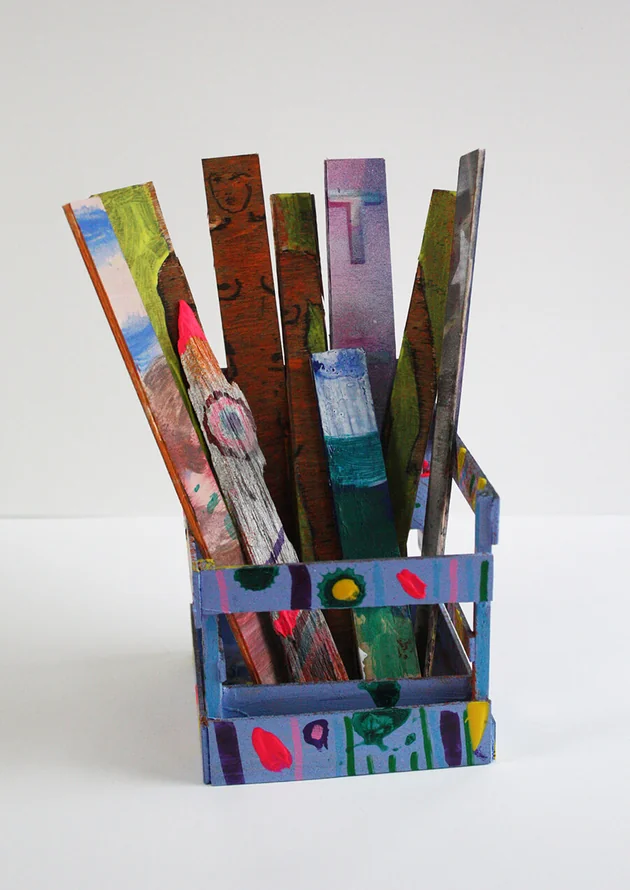
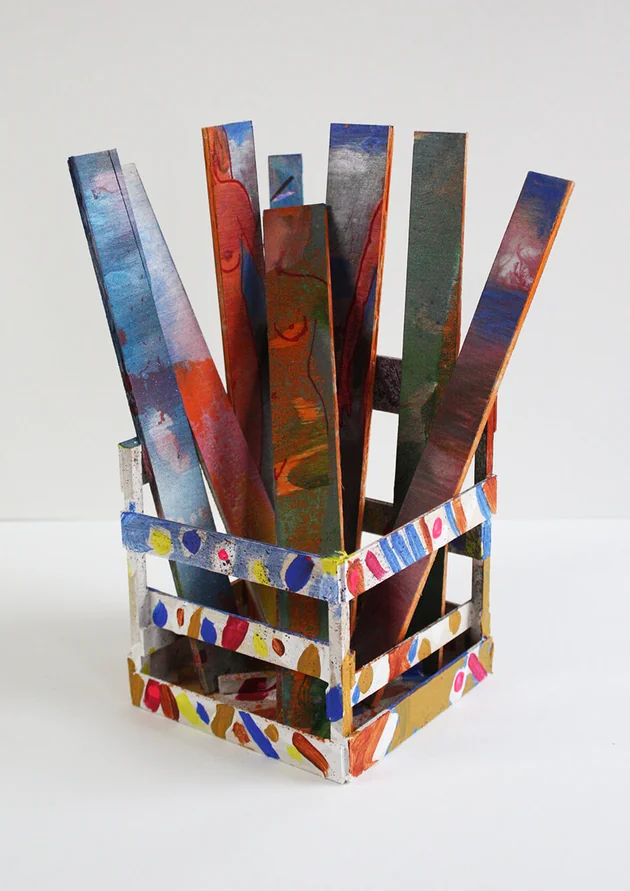
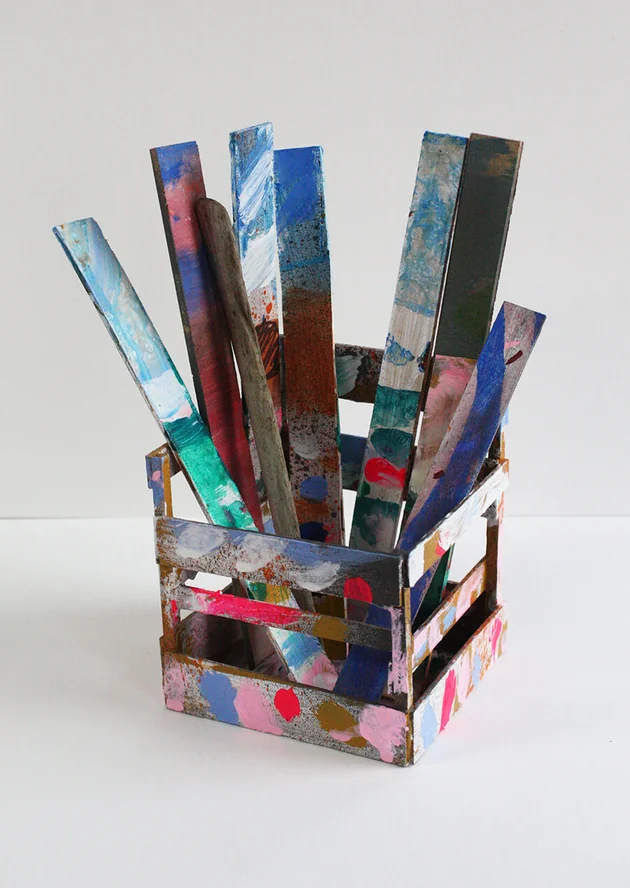
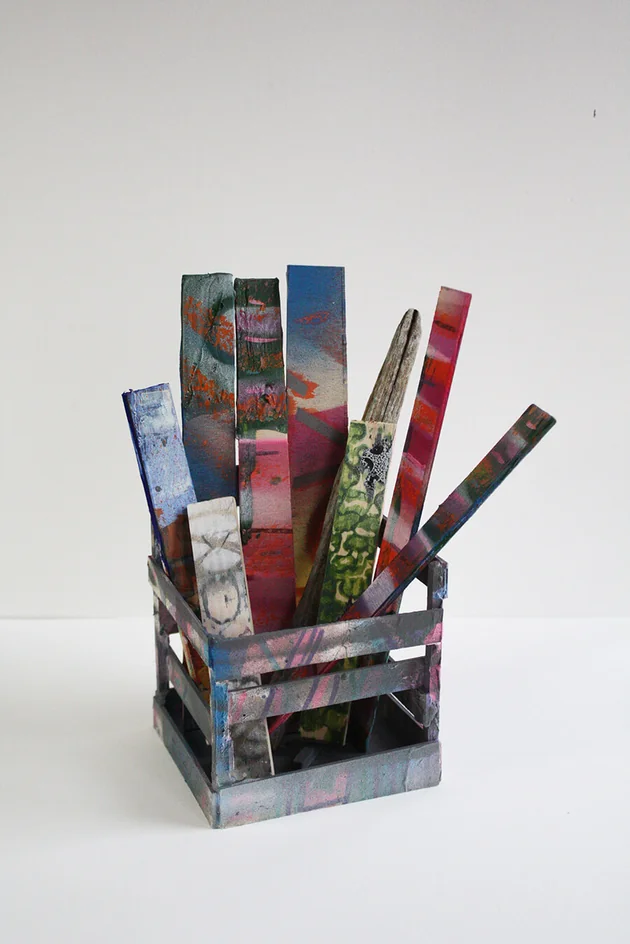
Crates
Movable elements gathered within constructed boxes — storage as a way of composing.
View crates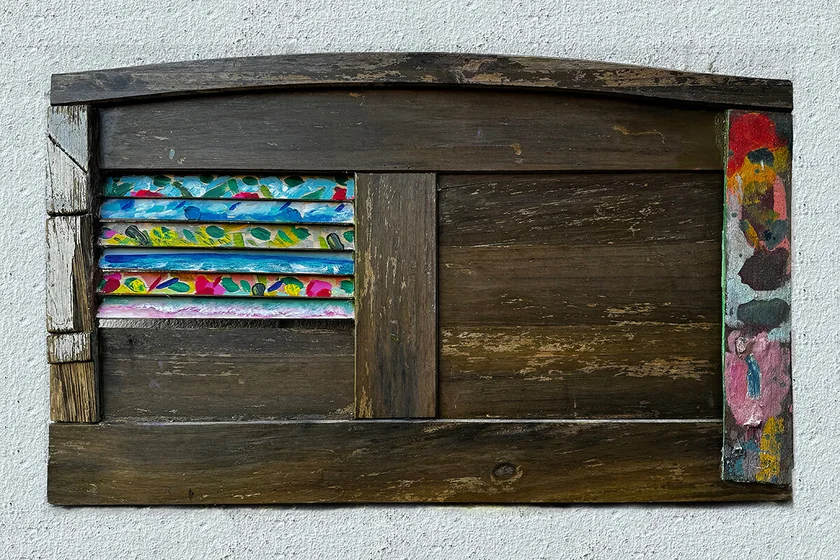
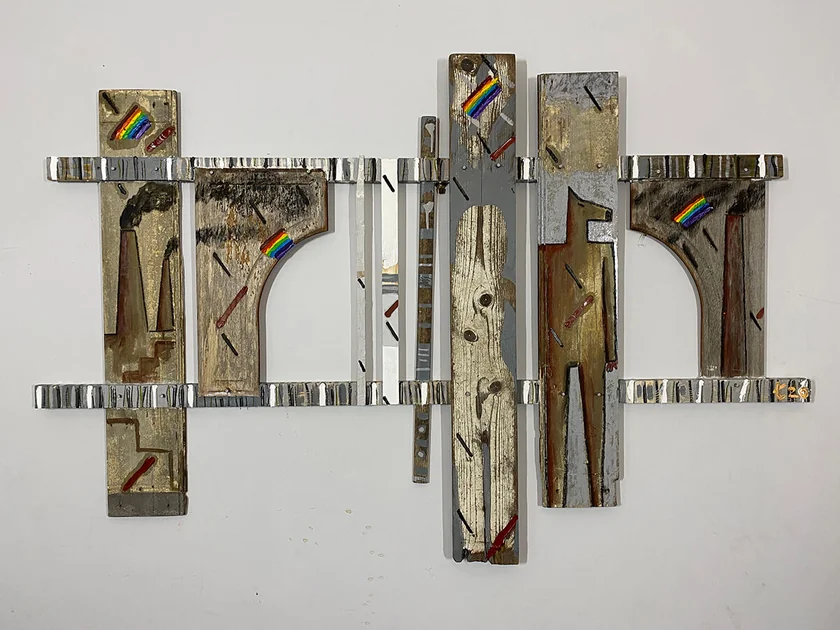
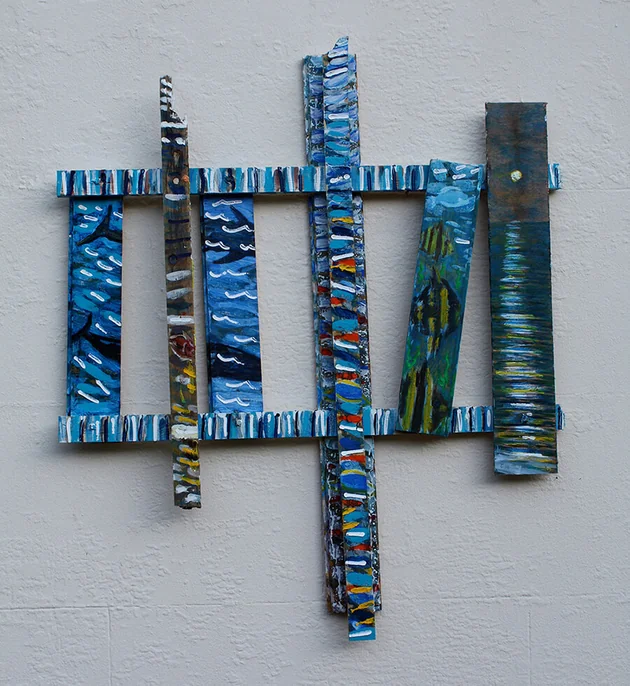
Shutters
Reclaimed wood and salvaged paint — refuge, weather and restraint, informed by Bermuda hurricane shutters.
View shuttersArchive
Selected works
Browse earlier paintings and constructed series. Current work: Wheatfield with Crows. Recent previous work: The Spaces in Between and India, Again.
History
Exhibitions
Selected exhibitions from student years to recent presentations, with earlier exhibitions listed separately.
Selected exhibitions
-
1977
New Contemporaries
ICA
-
1978
Stowells Trophy
Royal Academy
-
1979
Stowells Trophy
Royal Academy
-
1991
Discerning Eye
Mall Galleries
-
2011
Solo Exhibition — Autobiography Fence
Birley Centre
-
2016
Bad Behaviour
Brixton East
-
2018
Open
Devonshire Collective
-
2020
The Holy Art
The Factory
-
2024
Ultra Modern
Old Fox Yard
-
2024
Sussex Open
Sussex Contemporary
Earlier exhibitions
-
2009
Art in Mind
Brick Lane Gallery
Studio
Contact
For enquiries about paintings, exhibitions, studio visits or forthcoming work, please get in touch.
Collectors and curators are welcome to contact me directly regarding available paintings and the current body of work.
Studio visits can be arranged by appointment.
- Email mark@markpainter.uk
- Based Sussex, United Kingdom
Professional
For curators, galleries & collectors
A selection of high-resolution images and further information about the current body of work is available on request.
For exhibition proposals, studio visits, press enquiries or information about available paintings, please contact Mark Painter directly.
Complete work index (91 works)
Complete index of 91 works by Mark Painter — painter (not a house painter). Current series Wheatfield with Crows; previous work The Spaces in Between and India, Again, with related early-1980s India watercolours (40 Years Apart); earlier paintings, fences and barricades, splinter groups, crates and shutters. Each entry includes title and available details.
Wheatfield with Crows
The Spaces in Between
India watercolours
India, Again
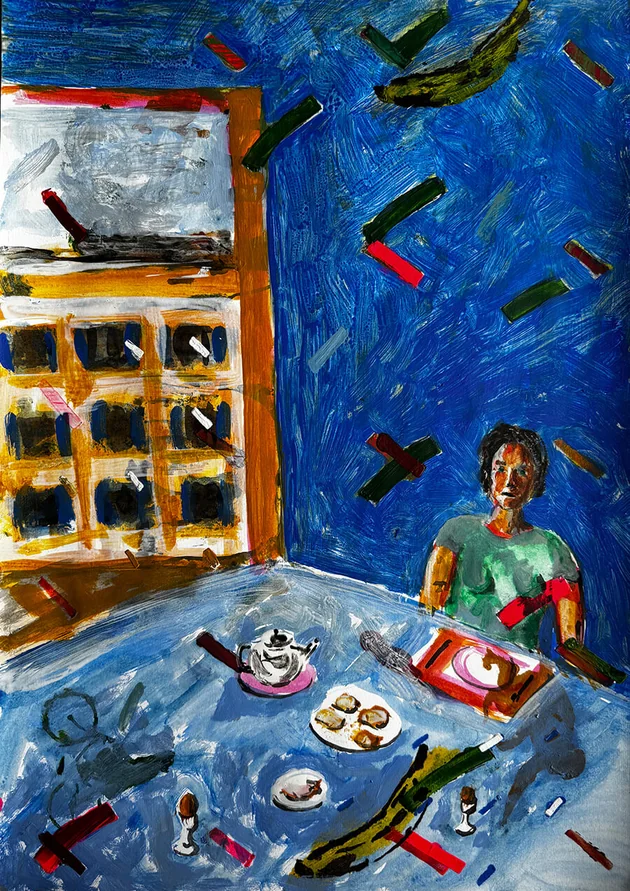
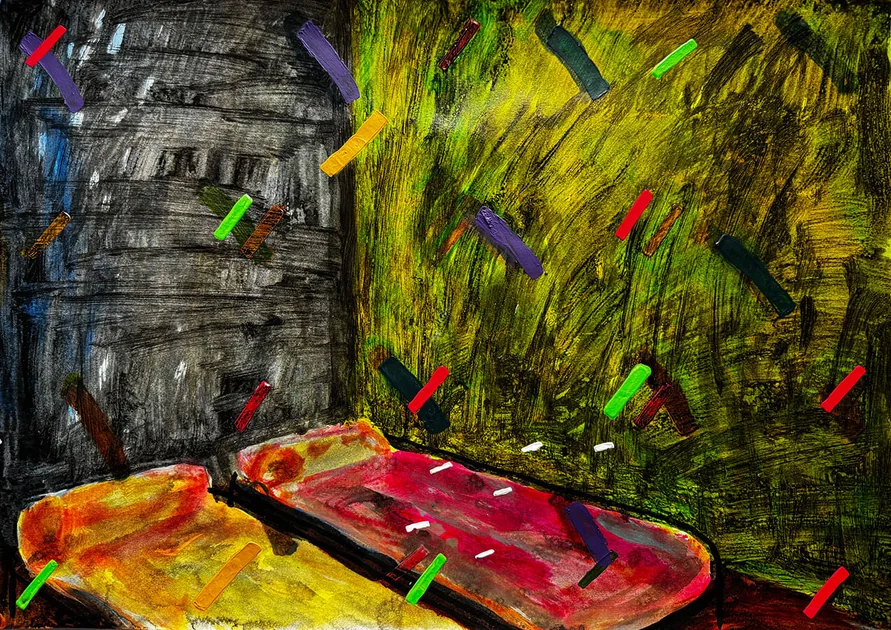
- The Gateway to India — Mark Painter · Oil on wood (2026)
- Arrival — Mark Painter · Oil on wood (2026)
- Madras Egmore — Mark Painter · Oil on wood (2026)
- Culture Shock — Mark Painter · Oil on wood (2026)
- Taxi Ride — Mark Painter · Oil on wood (2026)
- Heading South — Mark Painter · Oil on wood (2026)
- Train Journey South — Mark Painter · Oil on wood (2026)
- Park and Ride — Mark Painter · Oil on wood (2026)
- Tourist Advice — Mark Painter · Oil on wood (2026)
- Breakfast — Mark Painter · Oil on wood (2026)
- Brothel — Mark Painter · Oil on wood (2026)
- The Water Pump — Mark Painter · Oil on wood (2026)


Paintings
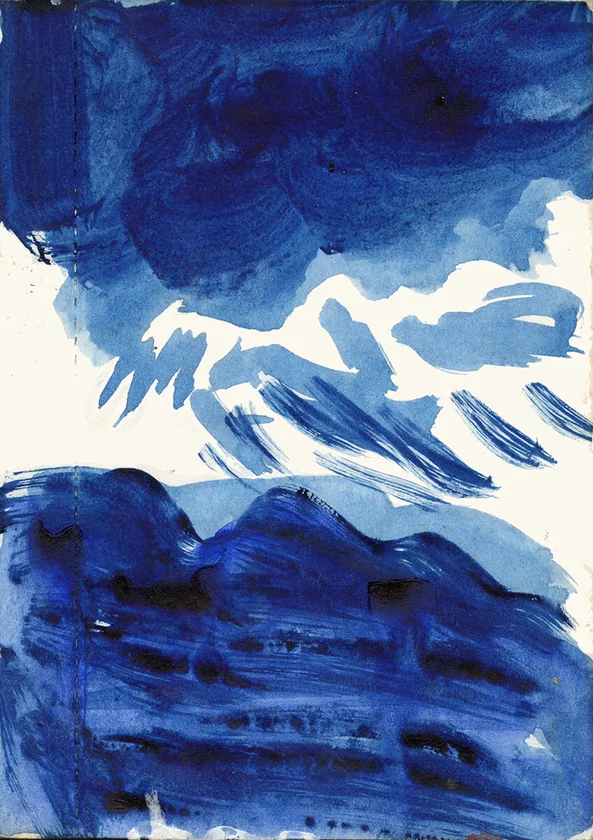
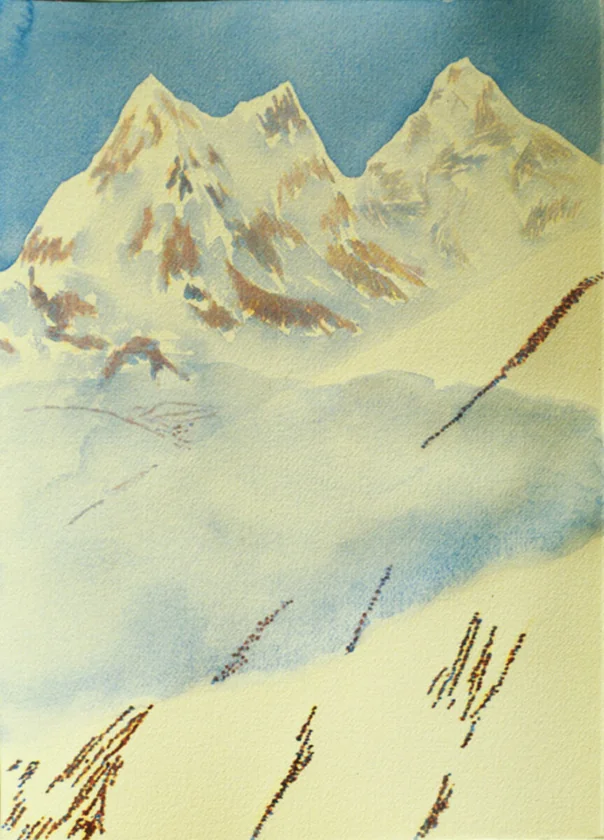
- Everest — Mark Painter · Watercolour (1985)
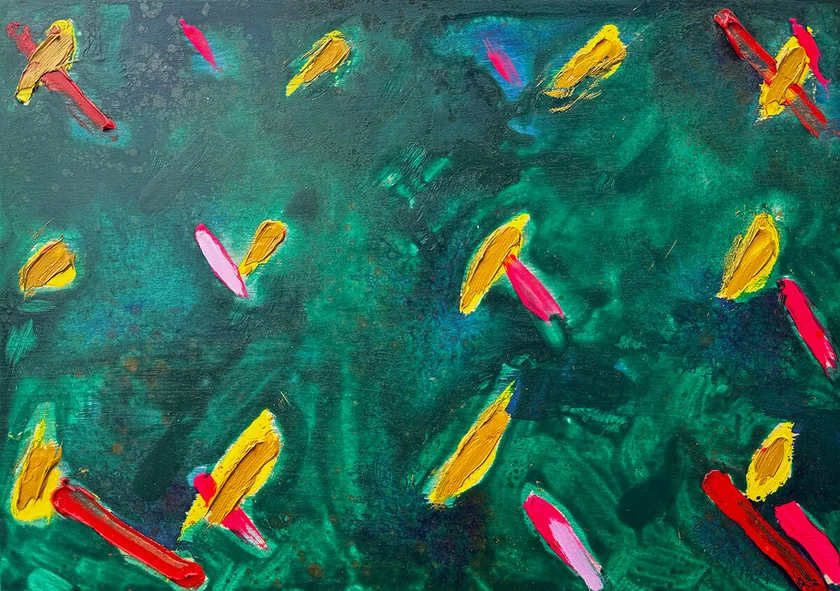
- Sunshine — Mark Painter · Acrylic and Ink on Paper (2024)
- Hummingbird — Mark Painter · Acrylic and Ink on Paper (2024)
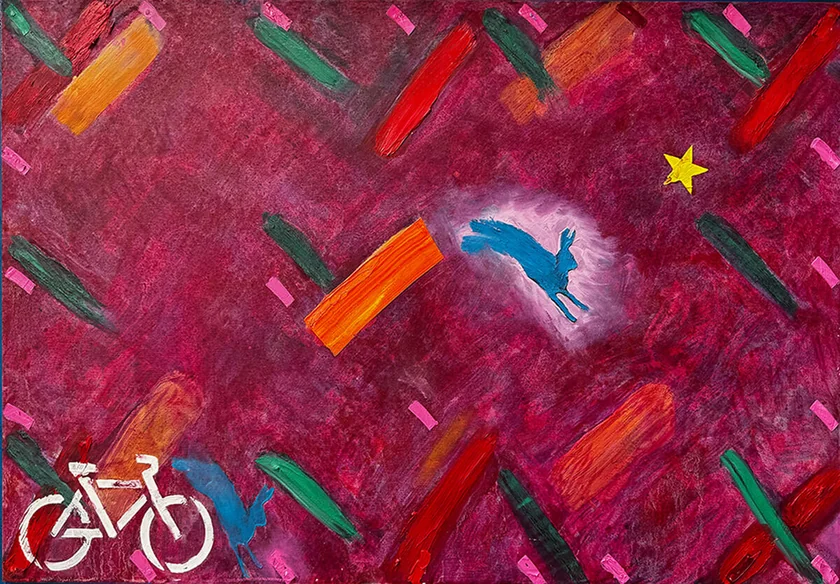
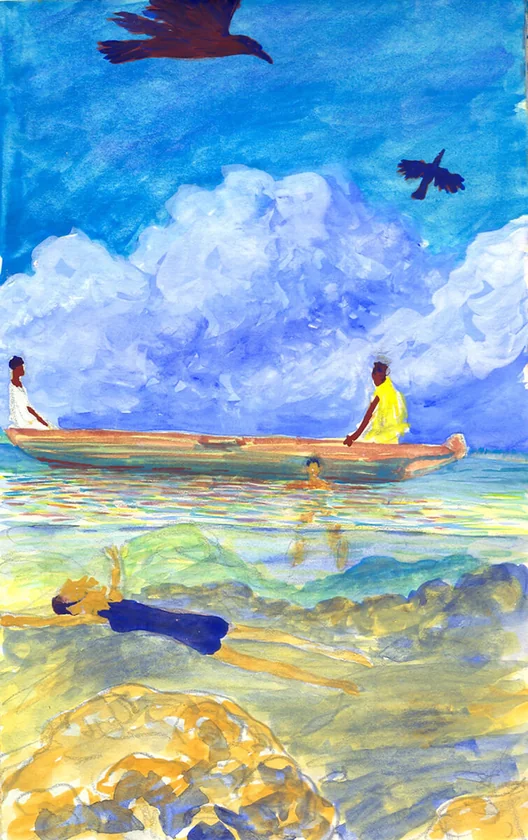
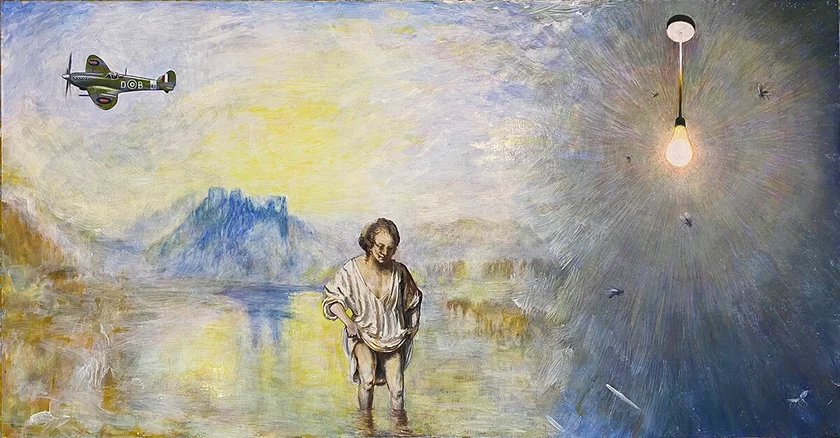
- Schrödinger's Rabbit — Mark Painter · Oil on Wood (2024)
- Jackie's Birthday — Mark Painter · Oil on Wood (2024)
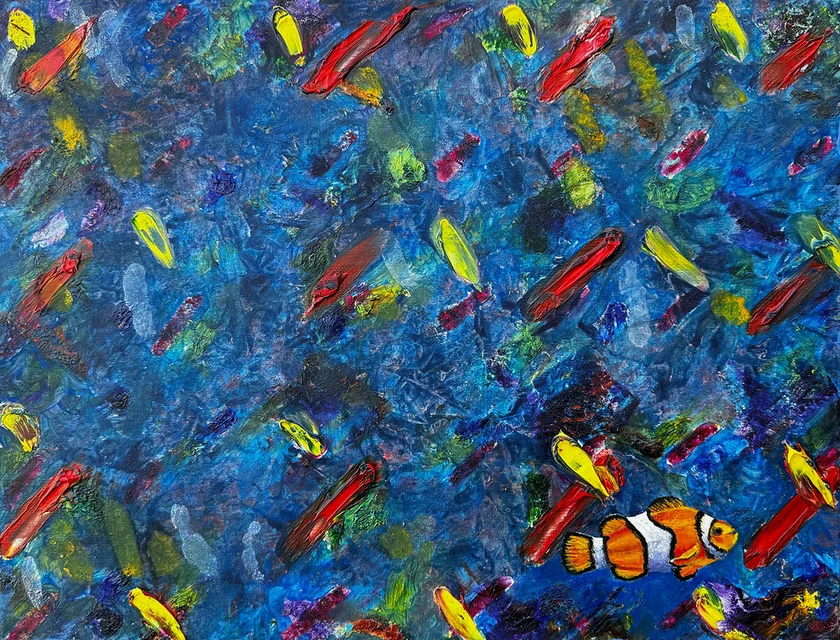
- Fishing for Compliments — Mark Painter · Oil on Wood (2024)
- According to Whom — Mark Painter · Oil on Wood (2023)
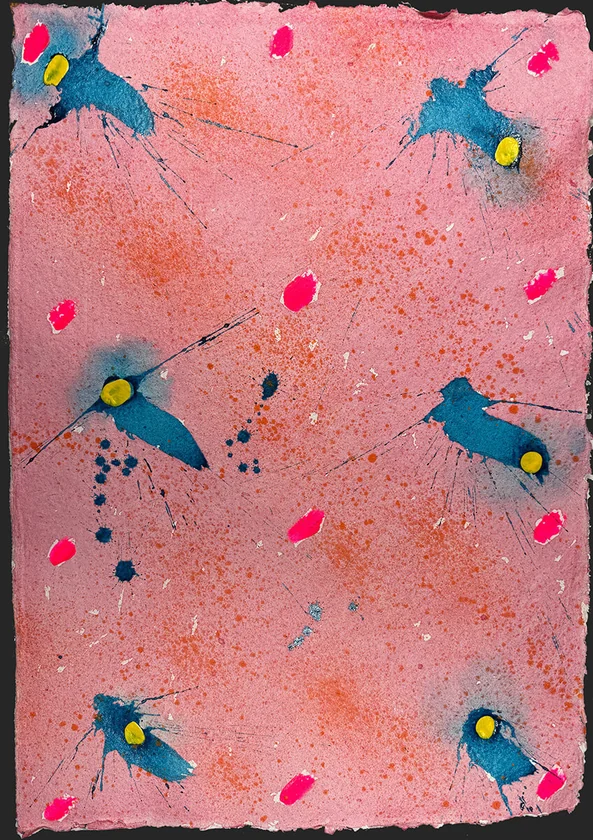
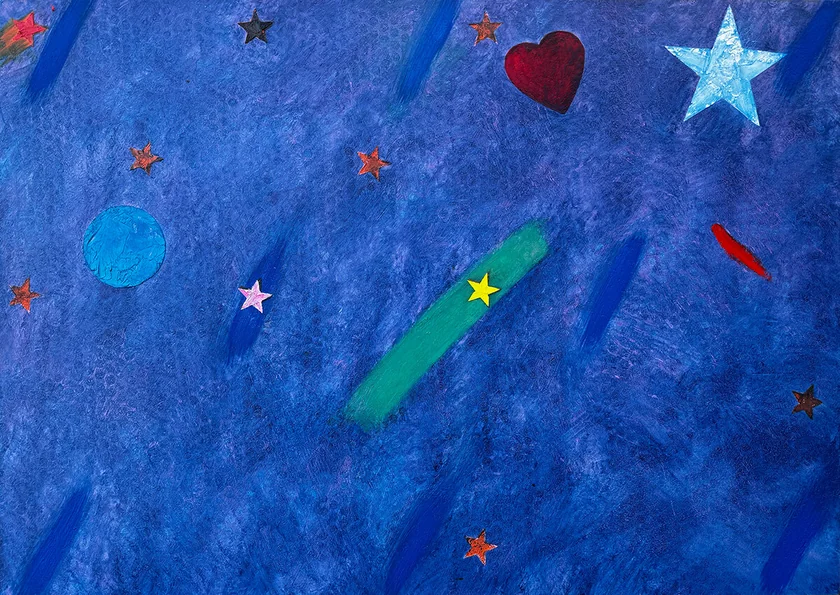
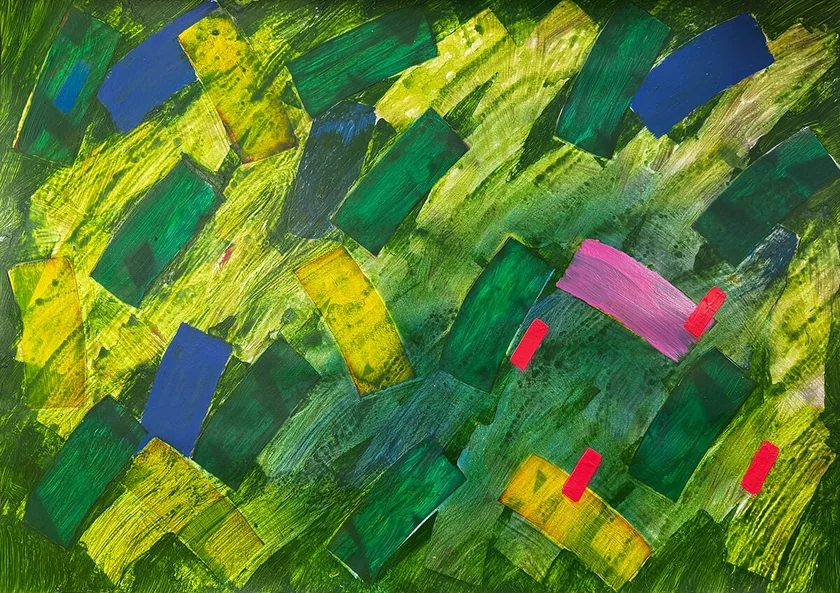
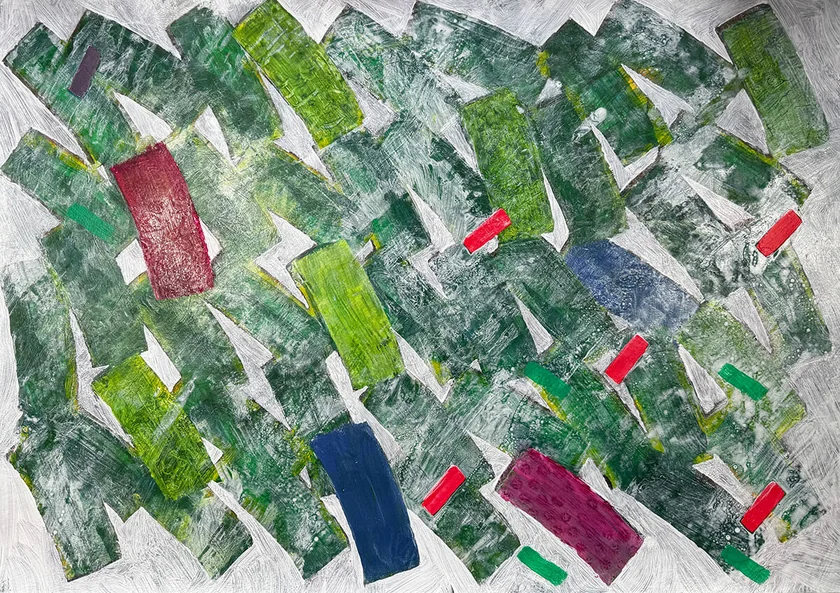
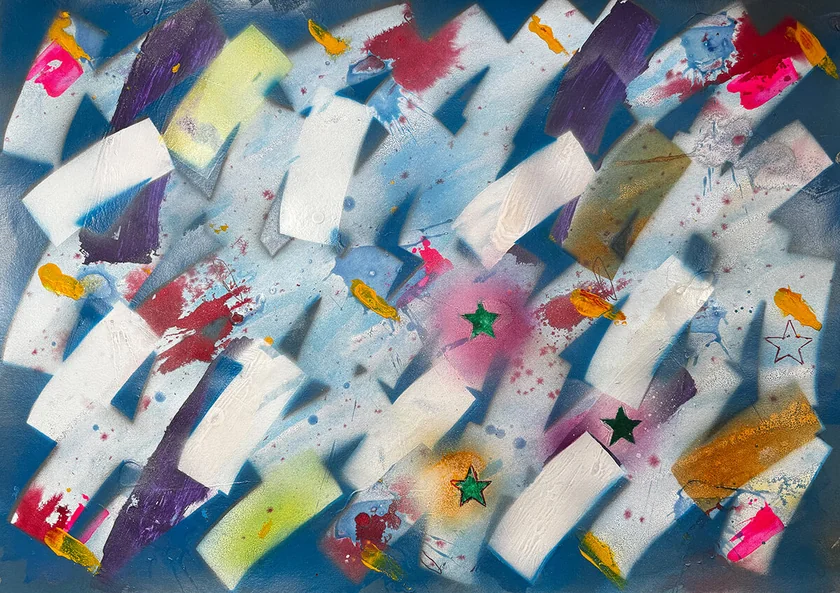
- Quanta 1 — Mark Painter · Acrylic on Paper (2025)
- Quanta 2 — Mark Painter · Acrylic on Paper (2025)
- Quanta 3 — Mark Painter · Acrylic on Paper (2025)
- Yours Is No Disgrace — Mark Painter · Acrylic on Paper (2025)
- Trek — Mark Painter · Acrylic on Paper (2024)
- Jodhpur — Mark Painter · Watercolour on Paper (1983)
- She Said — Mark Painter · Oil on Wood (2020)
- The Last Dance — Mark Painter · Oil on Wood (2023)
- All Those Yesterdays — Mark Painter · Oil on Wood (2021)
- Rameswarum — Mark Painter · Watercolour (1990)
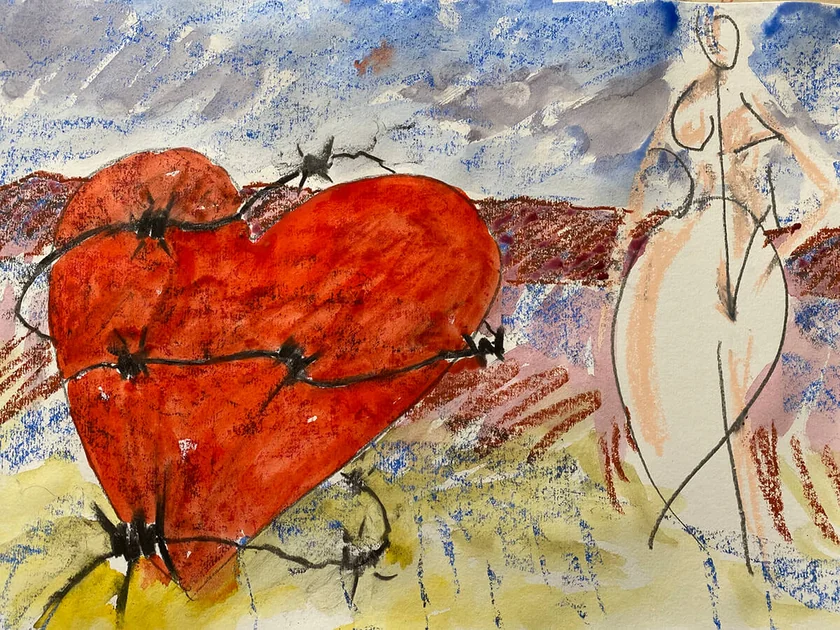
- Rebel Heart — Mark Painter · Acrylic on Paper (2021)
- Walking from Chukhung — Mark Painter · Watercolour (1985)
- Nepali Princess — Mark Painter · Acrylic on Paper (1995)
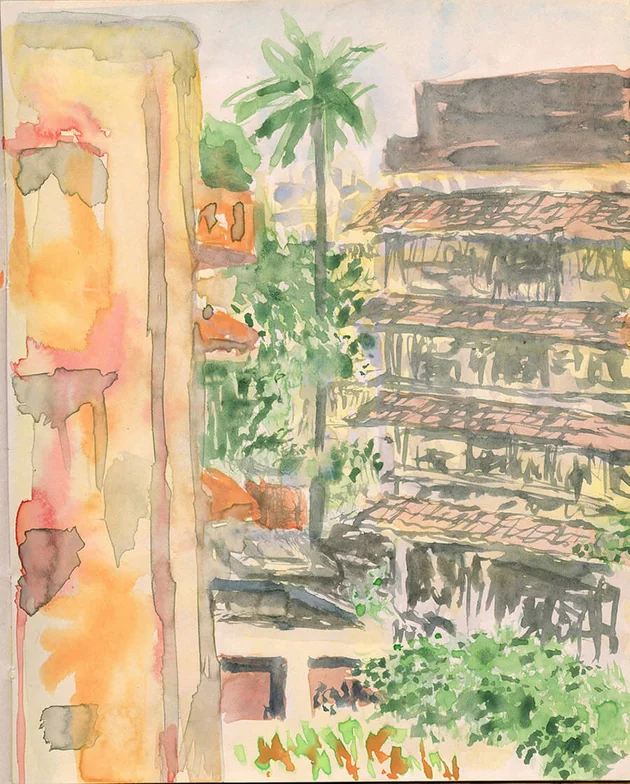
- View From Kathmandu Guest House — Mark Painter · Watercolour (1983)
- Brexit — Mark Painter · Oil Paint On Wood (2025)
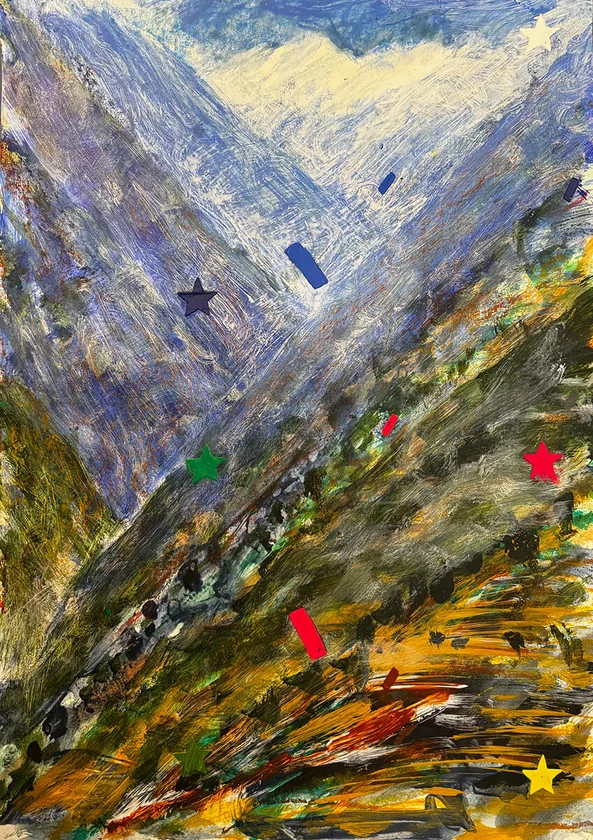
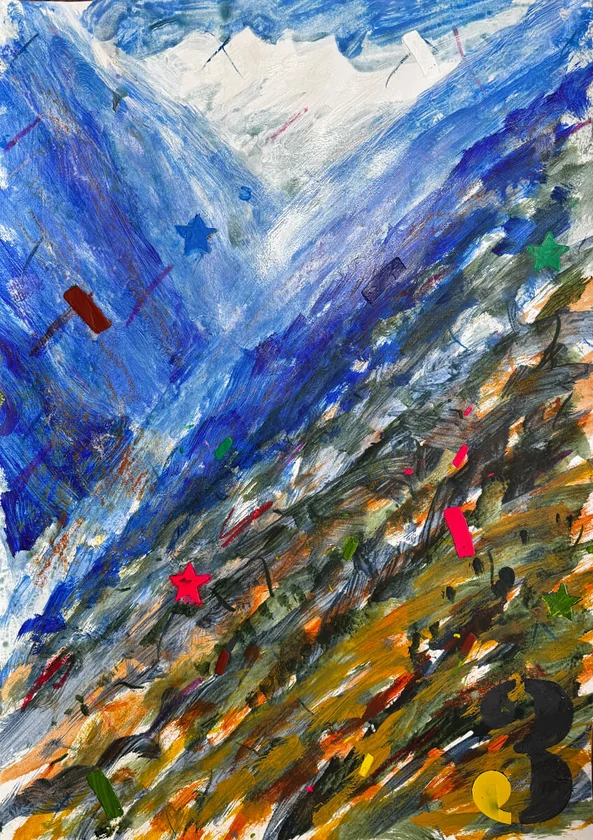
- Trek To ABC 1 — Mark Painter · Acrylic on Paper (2025)
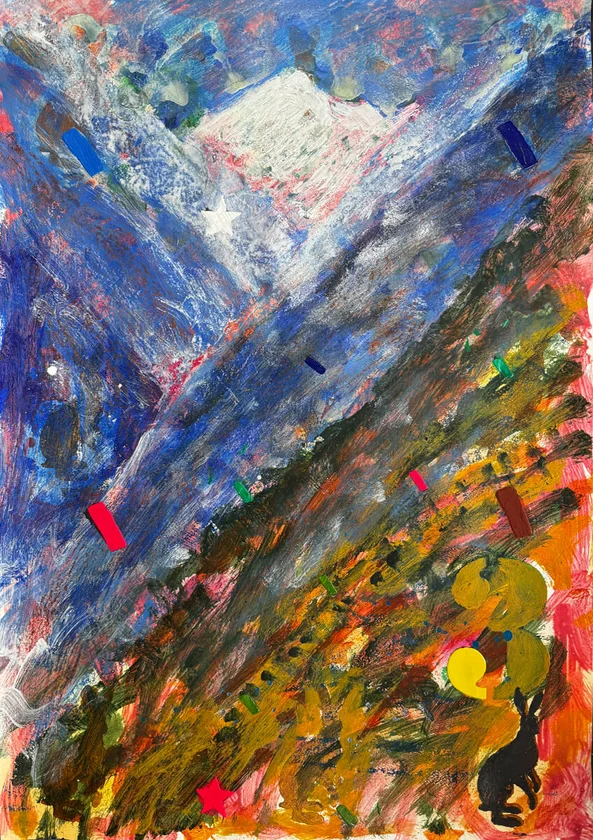
- Trek To ABC 2 — Mark Painter · Acrylic on Paper (2025)
- Trek To ABC 3 — Mark Painter · Acrylic on Paper (2025)
- Calypso — Mark Painter · Oil Paint on Wooden Panel (2025)

Fences & Barricades
- Uk Riot — Mark Painter · Mixed Paint on Reclaimed Wood (2011)
- 1968 — Mark Painter · Mixed Paint on Reclaimed Wood (2005-11)
- 1957 — Mark Painter · Mixed Paint on Reclaimed Wood (2005-11)
- Fence 04 — Mark Painter · Mixed Paint on Reclaimed Wood (2005-11)
- 1983 — Mark Painter · Mixed Paint on Reclaimed Wood (2005-11)
- 1990 — Mark Painter · Mixed Paint on Reclaimed Wood (2005-11)
- 1984 — Mark Painter · Mixed Paint on Reclaimed Wood (2005-11)
- Fence 08 — Mark Painter · Mixed Paint on Reclaimed Wood (2005-11)
- 1982 — Mark Painter · Mixed Paint on Reclaimed Wood (2005-11)
- 1988 — Mark Painter · Mixed Paint on Reclaimed Wood (2005-11)
- 1986 — Mark Painter · Mixed Paint on Reclaimed Wood (2005-11)
- 1989 — Mark Painter · Mixed Paint on Reclaimed Wood (2005-11)
- 1987 — Mark Painter · Mixed Paint on Reclaimed Wood (2005-11)
- 1962 — Mark Painter · Mixed Paint on Reclaimed Wood (2005-11)
- Looking for Rainbows — Mark Painter · Mixed Paint on Reclaimed Wood (2005-11)
- Eden Burns — Mark Painter · Mixed Paint on Reclaimed Wood (2023)
- 1985 — Mark Painter · Mixed Paint on Reclaimed Wood (2005-11)
- 1981 — Mark Painter · Mixed Paint on Reclaimed Wood (2005-11)
- Cat Food — Mark Painter · Mixed Paint on Reclaimed Wood (2015)
Splinter Groups
- Iceland — Mark Painter · Reclaimed Wood and Recycled paint (2016)
- 59 — Mark Painter · Reclaimed Wood and Recycled paint (2016)
- Indian Summer — Mark Painter · Reclaimed Wood and Recycled paint (2016)
- DNA — Mark Painter · Reclaimed Wood and Recycled paint (2017)
- Local Group — Mark Painter · Reclaimed Wood and Recycled paint (2016)
- Devonshire Collection — Mark Painter · Reclaimed Wood and Recycled paint (2022)
- Thankyou Gillian — Mark Painter · Reclaimed Wood and Recycled paint (2023)
- Picnic — Mark Painter · Reclaimed Wood and Recycled paint (2023)
- Mix and match — Mark Painter · Reclaimed Wood and Recycled paint (2023)
- St Martins Days — Mark Painter · Reclaimed Wood and Recycled paint (2023)
Crates
- Maquette 1 — Mark Painter · Reclaimed Wood and Recycled Paint in Crate (2024)
- Maquette 2 — Mark Painter · Reclaimed Wood and Recycled Paint in Crate (2024)
- Maquette 3 — Mark Painter · Reclaimed Wood and Recycled Paint in Crate (2024)
- Maquette 4 — Mark Painter · Reclaimed Wood and Recycled Paint in Crate (2024)
- Maquette 5 — Mark Painter · Reclaimed Wood and Recycled Paint in Crate (2024)
- Maquette 6 — Mark Painter · Reclaimed Wood and Recycled Paint in Crate (2024)
- Maquette 7 — Mark Painter · Reclaimed Wood and Recycled Paint in Crate (2024)
- Maquette 8 — Mark Painter · Reclaimed Wood and Recycled Paint in Crate (2024)
- Maquette 9 — Mark Painter · Reclaimed Wood and Recycled Paint in Crate (2024)


Shutters
- New Beginning — Mark Painter · Reclaimed Wood and Salvaged Paint (2021)
- Crimes of Paris — Mark Painter · Reclaimed Wood and Salvaged Paint (2023)
- Harrington Sound — Mark Painter · Reclaimed Wood and Salvaged Paint (2024)
- Domestica — Mark Painter · Recycled Domestic Objects (2025)
- Tales of Brave Ulysses — Mark Painter · Recycled Wood and Acrylic Paint (2026)
- Loose Ends — Mark Painter · Recycled Wood and Mixed Paint (2026)